
APACTechBriefing Scorecard: Andrew Hill’s Grab Move Tests Retail Media and FMCG Partnerships in Southeast Asia
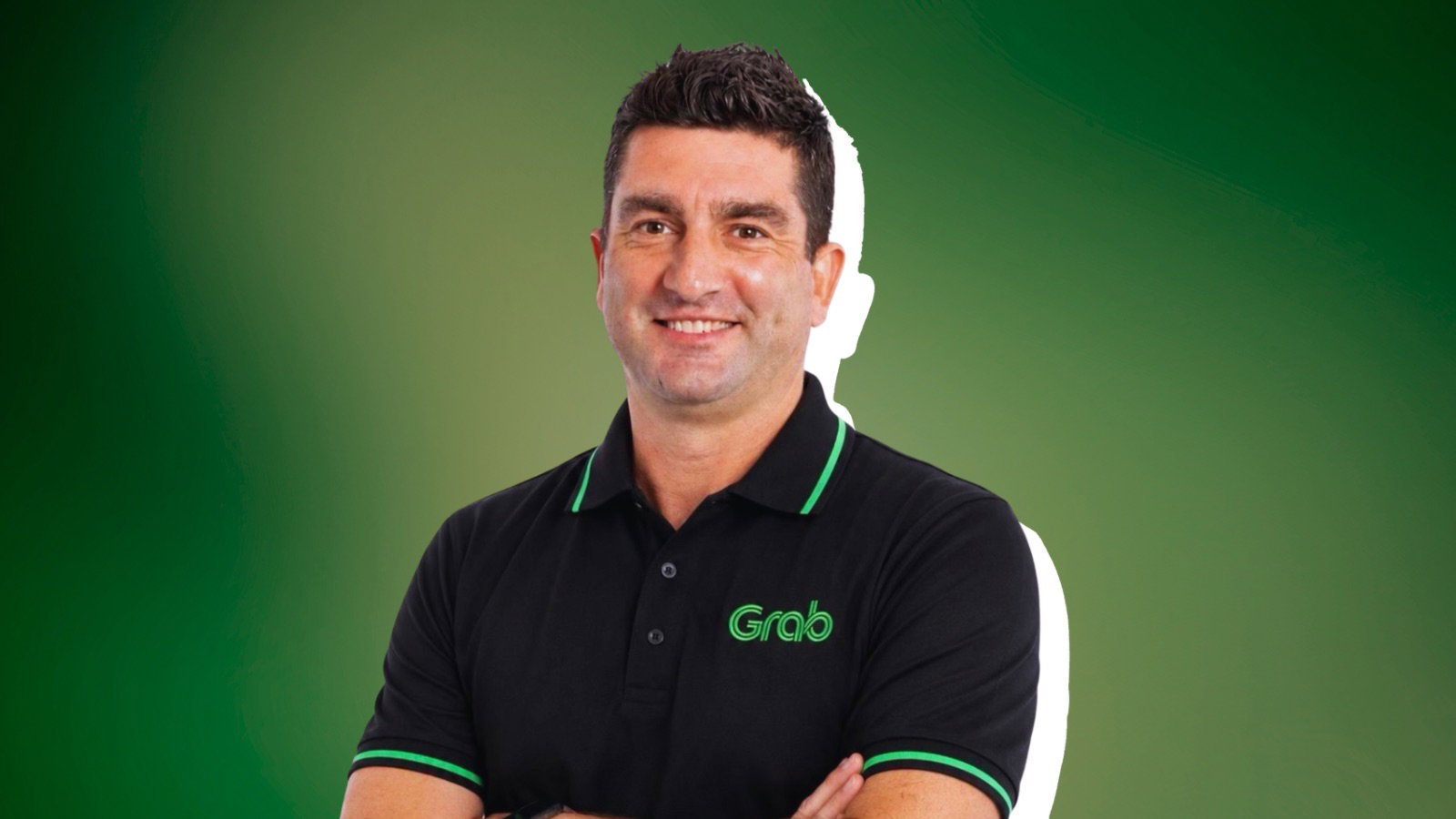
Grab’s decision to put Andrew Hill in charge of regional strategic accounts for F&B and FMCG is less a title change than an accountability shift. The test is whether Grab can convert shopper data, ads, delivery commerce and merchant tools into repeatable revenue proof. Hill’s brand-side background sharpens that question. The appointment, first shared on LinkedIn and detailed by MARKETING-INTERACTIVE, lands as Southeast Asia’s FMCG growth stays cautious.
What is changing in Grab's account model?
The answer is not a new ad format; it is a change in ownership. Grab named Andrew Hill as head of regional strategic accounts for F&B and FMCG, placing consumer-facing brands, merchants and platform commercial teams under one senior partnership owner. Hill said on LinkedIn that he intends to work with retail-media leaders, unlock shopper data and build partnership ecosystems. According to the role description reported by MARKETING-INTERACTIVE, he leads strategic partnerships across Southeast Asia and works with large brands to realise more value through the Grab ecosystem.
Why a Coca-Cola hire matters more than a headline hire
For operators who have tried to sell trade budgets into platform deals, the bottleneck is rarely software. It is KPI design. A brand-side leader usually pushes harder on incrementality, shelf-to-door conversion and category growth than a platform-side leader. Hill's quote makes the intent explicit: “Having worked on the brand side, I’ve seen the opportunity firsthand. Now, being part of the Grab ecosystem, I’m excited to help turn that opportunity into reality across Southeast Asia,” he said to MARKETING-INTERACTIVE.
Career path: what Hill brought from Coca-Cola and Edge by Ascential
Hill spent several years at Coca-Cola before moving to Grab. Most recently, he served in a senior role focused on digital acceleration strategy from August 2023. Earlier, he was head of O2O strategic partnerships for ASEAN and the South Pacific from May 2022 to August 2023. He pointed to work on the Coca-Cola and Grab partnership, including Coke & Go, as well as digital acceleration in New Zealand and AI programmes across ASEAN and South Pacific.
Before Coca-Cola, Hill was director of sales for APAC at Edge by Ascential, where he led regional sales and marketing operations. He had also served as client director there, helping consumer goods manufacturers expand eCommerce businesses. His prior experience includes roles at Octopus Group and Woolworths Group, based in Australia.
Scorecard: what a brand-side hire adds, and what remains risky
| Test | Advantage of Hill's profile | Risk for Grab and partners | Practical check |
|---|---|---|---|
| KPI credibility | Has sat on the FMCG side of category planning and knows that reach without conversion is a weak argument. | Platform metrics may still overstate attribution if holdouts are absent. | Ask for incremental-sales tests, not only impressions or order counts. |
| Merchant conversion | Coke & Go and O2O partnership experience shows awareness of online-offline retail friction. | Small F&B merchants need simple onboarding, reliable fulfilment and visible price integrity. | Measure storefront activation rate, menu or catalogue accuracy, and repeat purchase rate. |
| Data discipline | Experience with shopper data across Southeast Asia should raise the standard for consent and measurement terms. | Privacy expectations vary by market, so one template may not travel cleanly. | Review data-sharing terms, anonymisation practices and reporting delays before committing budget. |
| Ecosystem coordination | He is positioned to connect consumer insights, advertising, commerce and business solutions around one client outcome. | Internal silos can fragment the pitch if ads, delivery, payments and merchant services report separately. | Require one account roadmap, one metric owner and one 90-day execution calendar. |
What Hill wants from the Grab ecosystem
He framed the task as a bridge: make FMCG brands and F&B merchants use the Grab ecosystem more fully, across consumer insights, advertising, commerce and business solutions. In his statement to MARKETING-INTERACTIVE, he said: “I want us to bring strategy and execution together, solve real business challenges and build innovative partnerships that deliver meaningful value for our clients, our partners, shoppers and Grab,” he said. His earlier work from the brand side, he added, gave him a view of platform scale, people and ecosystem potential. “The chance to come across the fence, work with a team and partners I know and help shape what comes next was incredibly compelling,” he said. Hill also framed the move as a chance to contribute to Grab’s mission of driving Southeast Asia forward.
Market data that makes the next two years more demanding
Two external data points give the appointment a tougher backdrop. First, Bain & Company’s SEA Consumer Products Report 2026 states that Southeast Asia is poised to add over 50 million consumers by 2030, while FMCG growth remains flat and spending cautious. Second, Mordor Intelligence reports that Fast-Moving Consumer Goods accounted for 28.74% of the Southeast Asia advertising market in 2025. The combination says brands still have to advertise into a large category, but cannot rely on population expansion alone to deliver sales.
Comparative verdict for APAC category owners
For APAC buyers, the hire is a signal that Grab wants to compete less on reach and more on partnership proof. It is useful if your organisation has already settled ownership of eCommerce, trade spend and retail-media budgets. It is weaker if you still run those functions as separate reporting lines. The practical move is to ask for a joint business plan with one owner, one sales-lift metric and one test-and-learn calendar.
Action checklist before signing a Grab partnership in Southeast Asia
- Set the denominator: define whether you are testing incremental orders, basket value, new-to-brand shoppers or merchant conversion; avoid vanity impressions.
- Make one owner accountable: the CMO, eCommerce lead or regional commercial lead must own the budget line, not all three.
- Start with one country cohort: pick a market where merchant onboarding, data consent and logistics reporting are clearest before expanding across Southeast Asia.
- Ask for control tests early: holdout groups, incremental return on ad spend and merchant-level lift should be agreed before launch, not after the first campaign.
- Review execution after 90 days: check storefront activation, catalogue quality, fulfilment reliability, sales-team follow-through and data turnaround time.
FAQ: What APAC buyers should ask
Who is Andrew Hill?
Andrew Hill is a regional commercial and partnership executive who worked at Coca-Cola, Edge by Ascential, Octopus Group and Woolworths Group. He joined Grab as head of regional strategic accounts for F&B and FMCG.
What will Hill do at Grab?
Hill will lead strategic partnerships across Southeast Asia, working with major brands and merchants to build programmes that use consumer insights, advertising, commerce and business solutions.
Why does the Coca-Cola background matter?
It matters because Hill helped shape brand-side trade and partnership work, including Coke & Go, before moving to the platform side. That history makes it harder for a retail-media deal to be judged only by reach.
Should FMCG brands change budgets now?
Not automatically. The better response is to benchmark whether a Grab account plan can prove incremental sales, reduce merchant onboarding friction and respect data boundaries in each Southeast Asia market.