
APACTechBriefing | Googlebook Detachables Are Coming: Why the Rumoured Lenovo Googlebook Duet m Is a 2027 Planning Question for Asia-Pacific
By Lynn Zhou · APACTechDigit — APACTechBriefing, Asia-Pacific tech and digital watch
Direct answer: Google has confirmed that Googlebook machines with removable keyboards are on the way, and TechPowerUp reports the first one is likely to come from Lenovo, carrying the rumoured name Googlebook Duet m and the code-name “Sapphire”. The hardware trail is credible; the software is not finished. Googlebook OS still pins its home screen, task overview and app drawer to a landscape layout, which turns this form factor into a 2027 roadmap item for Asia-Pacific buyers rather than a 2026 refresh decision.
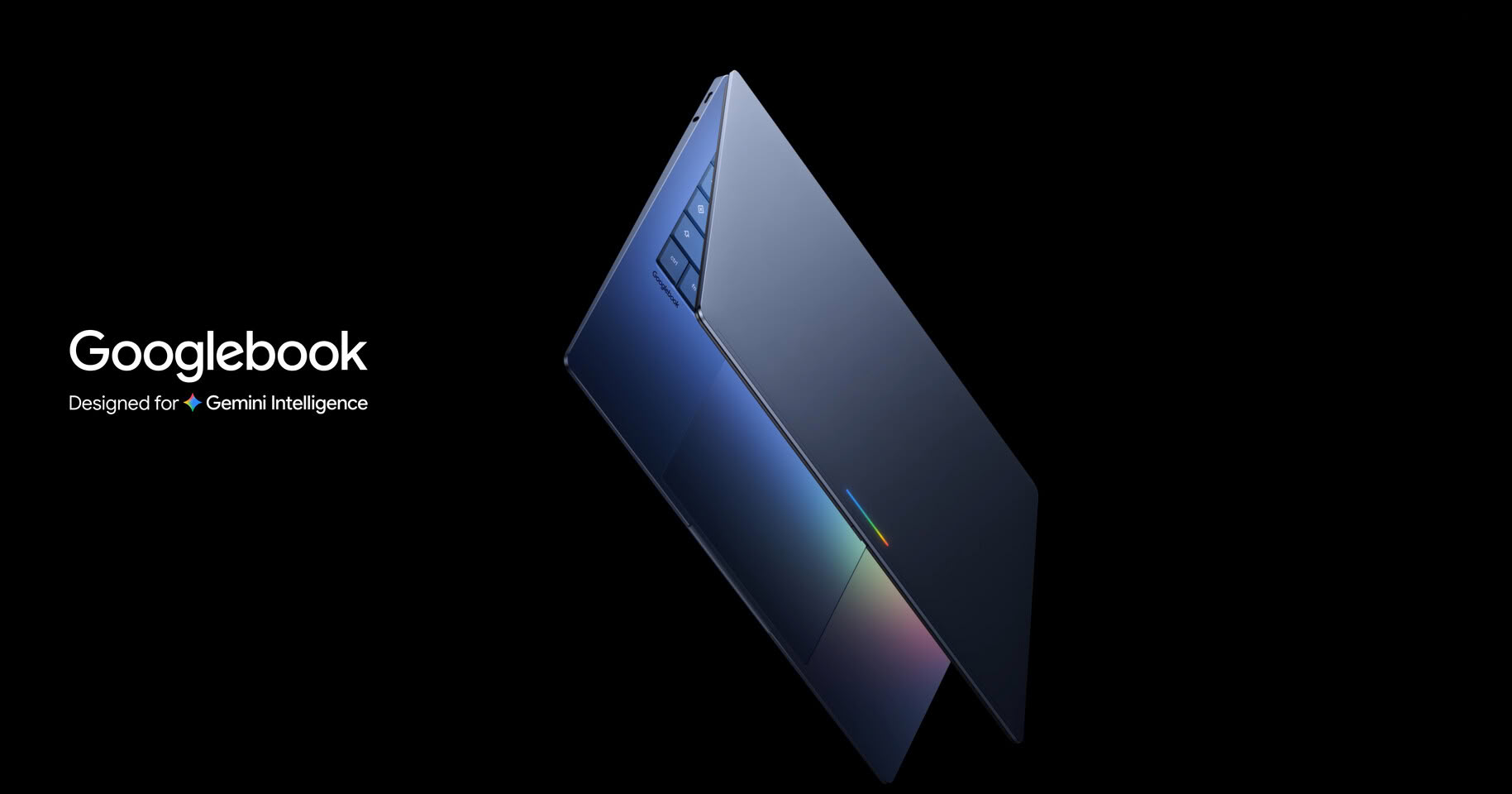
Context matters for the region. Googlebook is the laptop line Google launched this year, built by merging Android and ChromeOS technology and pitching Gemini artificial-intelligence features plus tight pairing with Android phones. Its opening catalogue is clamshell-heavy, with the Acer Googlebook 14 the only model using a 360-degree hinge to switch between laptop and tablet modes. Google has said the platform will reach more large-screen shapes.
What did Google actually confirm about detachable Googlebooks?
Short version: the category, not a product. In its Android Dev Summit 2026 keynote in late October, Google said Googlebook will cover three hardware shapes — the traditional clamshell, the convertible, and a detachable in which the keyboard separates from the body so the unit can stand on its own as a tablet or rejoin the keyboard as a laptop. No model name, configuration sheet or shipping window was attached to that statement, and Google has not indicated when further details will be published.
- Coverage today: five Googlebook devices so far — four clamshells and one convertible, the Acer Googlebook 14 with its 360-degree hinge.
- What a detachable adds: a true keyboard-free tablet posture, which the convertible delivers only by folding the keyboard behind the display.
- What it does not add yet: a confirmed silicon partner, panel specification, price band or launch date.
How solid is the Lenovo Googlebook Duet m evidence chain?
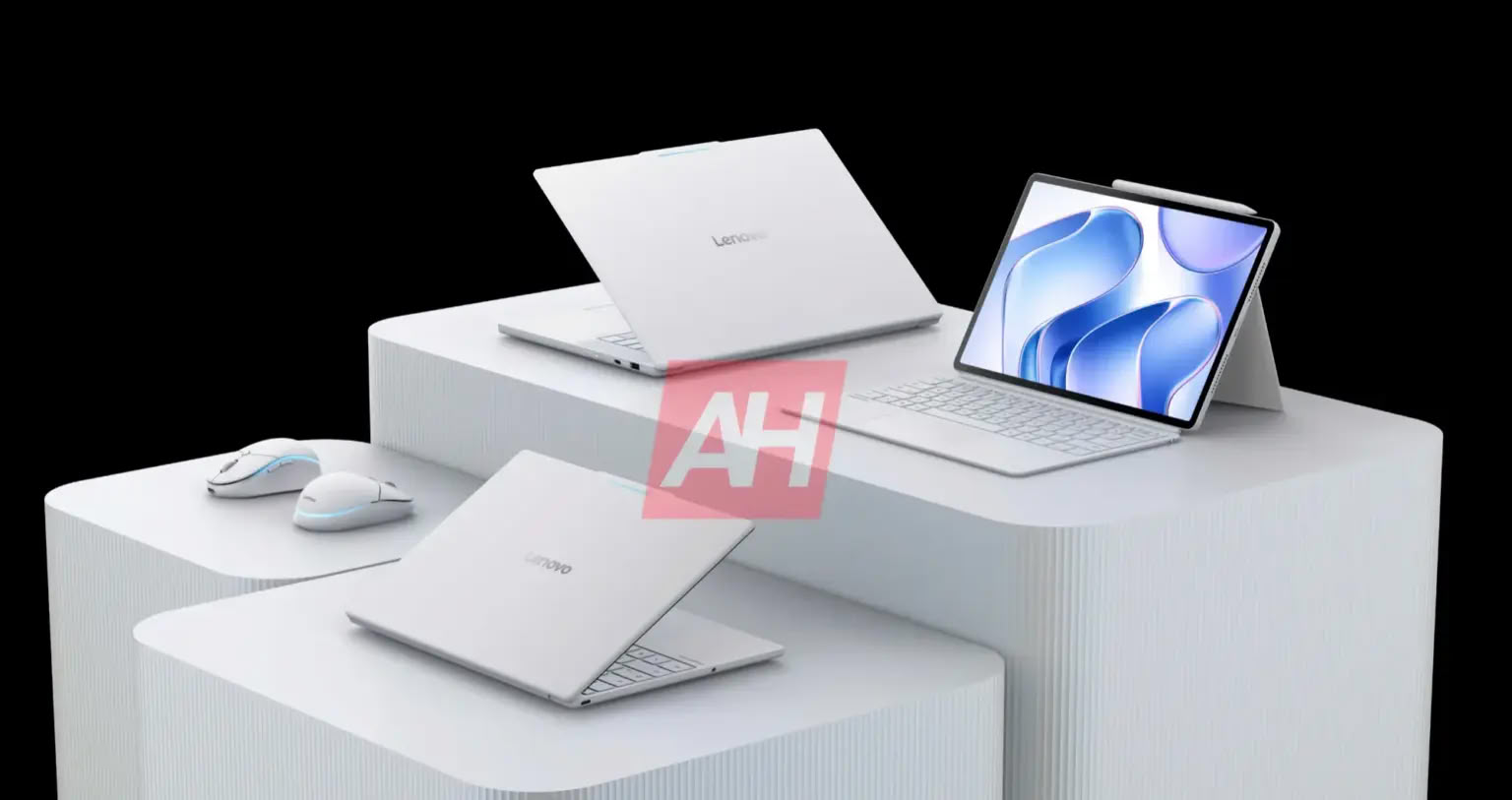
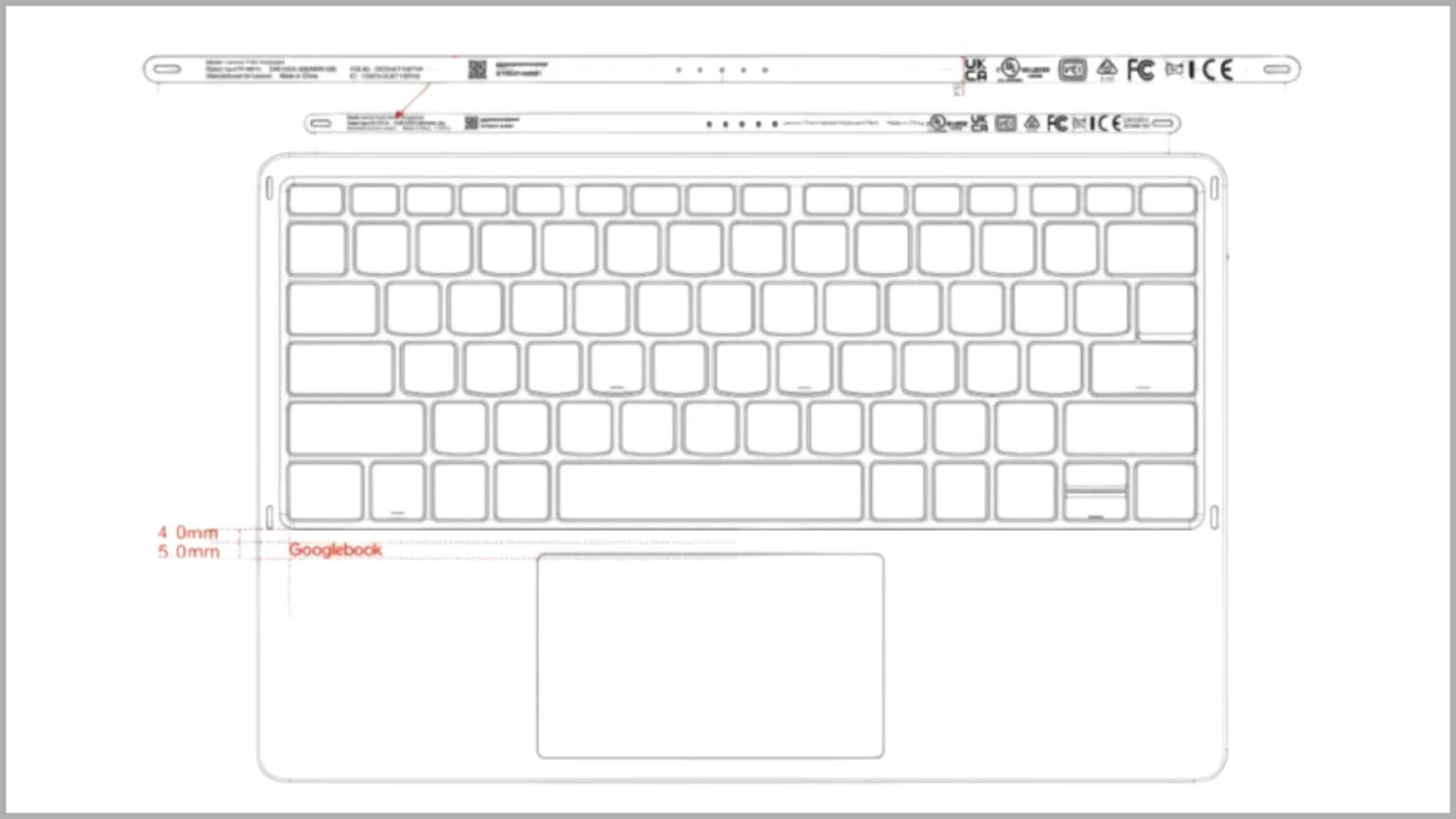
The concrete trail runs through filings rather than briefings. According to TechPowerUp, the first detachable Googlebook probably originates with Lenovo, with the retail name Googlebook Duet m and internal code-name “Sapphire”. Lenovo has filed regulatory approvals covering a matching detachable keyboard and a Lenovo Pen Pro stylus. Those keyboard documents point to a dual connection design: pogo-pin contacts on the tablet for data and power, plus an internal battery and low-energy Bluetooth so the keyboard can operate away from the body. Neither Lenovo nor Google has confirmed the filings or the device.
APACTechDigit analysis: paperwork is a launch signal, not a specification. Certification confirms that accessories exist and are being cleared for sale; it does not validate any leaked panel, chip or price. Treat everything below the hardware-shape level as provisional.
Which specifications are circulating, and what should be ignored?
Rumoured hardware includes a 13-inch OLED display and a MediaTek processor, although the leaks disagree on the exact chip model. Earlier disclosures described a rear kickstand for standalone use and a Glowbar light element next to the camera. None of this constitutes a final spec.
One reference point is available from the supplier itself: MediaTek's Kompanio Ultra Chromebook platform is rated at 50 TOPS of on-device AI processing, which is the performance class a Gemini-centred PC platform needs if assistant features are to run locally. Whether “Sapphire” lands in that class, or in a lower one under an internally debated name, remains open. Buyers should benchmark the device on verified AI capability and thermal behaviour at launch, not on a leaked chip label.
Why is Googlebook OS, not the hinge, the real bottleneck?
The gap is software. Today Googlebook OS can switch some full-screen apps to portrait, while the home screen, task overview and app drawer stay fixed in landscape. On a convertible this is an irritant, because the keyboard still anchors the device to desk use. On a detachable it becomes the product experience: the entire value of removing the keyboard is pen, reading, annotation and upright documents, and those are precisely the scenarios where a landscape-only shell breaks the flow. Android Authority's launch-window testing of the Acer convertible reported exactly this behaviour — the system home screen would not rotate into portrait while the machine sat in tablet mode.
Google's own support documentation for tablet and full-screen mode is written around the convertible hinge, which underlines how little of the current manual assumes a keyboard-free device. Until the interface layer is unified, “detachable” means mechanically possible but not yet comfortable — a distinction that matters far more than another chassis shape.
| Form factor | Availability now | Software readiness | Best Asia-Pacific fit |
|---|---|---|---|
| Clamshell Googlebook (4 of 5 current models) | Shipping since early October | Desktop-first layout works as intended | Standard office and enterprise fleets |
| Convertible: Acer Googlebook 14, 360-degree hinge | Shipping now | Tablet mode functional, portrait shell layout still constrained | Field sales, front-line note-taking, shared-view meetings |
| Detachable: rumoured Lenovo Googlebook Duet m, “Sapphire” | Filings only; no announcement | Highest dependency on portrait interface fixes | Content review, markup and training use — once the interface catches up |
What does this mean for Asia-Pacific buyers and channel planning?
Three regional realities shape the answer.
- A shrinking, more expensive market. IDC said in its 24 March 2026 release that the Asia/Pacific traditional PC market, including Japan and China, grew 11.6% in 2025 but forecast a 13.7% year-on-year decline in 2026 to 92.0 million units, citing component shortages and rising prices. A new premium detachable arrives into cost pressure, not a demand boom.
- An unfinished regional footprint. Google opened Googlebook pre-orders on 21 September 2026, with devices reaching shelves on 4 October in the United States and 5 October in Canada, the United Kingdom, Ireland, France, Germany and Australia. Much of Southeast Asia and India was absent from day one, so a detachable SKU — historically the price-sensitive end of the range — faces a distribution and service question before it faces a demand question.
- A renamed category ladder. Lenovo built the Duet name on budget detachables: the original Chromebook Duet shipped in 2020 at a US$279-299 price point and earned PCMag's Editors' Choice as a value pick. Googlebook itself starts near US$899. Attaching a 13-inch OLED panel and a Gemini-first platform to the Duet badge re-prices the line, and regional education and SMB buyers who remember the old formula should not assume the old economics.
Action checklist before putting detachable Googlebooks on a 2027 roadmap
- Gate on software, not shape. Require portrait support for the system home screen, task overview and app drawer in release notes before any pilot budget is approved.
- Confirm local availability first. Verify launch market, warranty coverage and spare-part support for your country; a device absent from the initial rollout is not a procurement option.
- Model the price against component inflation. Use IDC's 2026 Asia/Pacific decline forecast as the planning baseline, and stress-test refresh budgets for memory and display cost pass-through.
- Run a pen-and-reading scenario, not a laptop scenario. Test vertical documents, markup, single-hand hold and kickstand angles in meetings and classrooms.
- Add the keyboard to your asset and security register. A keyboard that can pair by low-energy Bluetooth with its own battery is a separate peripheral: plan for pairing controls, firmware ownership and loss replacement.
- Do not schedule around filings. Certification papers have no shipping date attached; wait for Google or Lenovo announcements before committing refresh windows.
Frequently asked questions
Has Google announced a detachable Googlebook?
It has confirmed the direction. During its Android Dev Summit 2026 keynote, Google said the line will extend to machines whose keyboards come off. It has not named a device, given specifications or set a launch time.
Is the Lenovo Googlebook Duet m confirmed?
No. TechPowerUp points to Lenovo as the likely first builder, with filings covering a keyboard and Lenovo Pen Pro stylus as supporting evidence. Neither company has acknowledged the product or its rumoured 13-inch OLED screen and MediaTek processor.
Why does portrait mode matter more than the hinge itself?
Because the detachable's use case is tablet-style: reading, annotating and pen input. With the home screen, task overview and app drawer fixed to landscape, the system shell fights the very posture the hardware is designed to enable.
Should Asia-Pacific enterprises buy now or wait?
Wait for the interface update and a confirmed regional launch. Current clamshell and convertible models already cover desk and light tablet work; a detachable only widens the fleet once the software matches the form factor.
Corrections, follow-ups or tips for this briefing: contact@apactechdigit.com — APACTechDigit.
Reference sources
- TechPowerUp report on detachable Googlebooks being next in line — https://www.techpowerup.com/forums/threads/google-says-detachable-googlebooks-are-next-in-line.354487/
- 9to5Google, “Google says Googlebook detachables are coming soon” — https://9to5google.com/2026/11/01/googlebook-detachables/
- Android Authority on the Lenovo Googlebook Duet m filings — https://www.androidauthority.com/googlebook-detachables-lenovo-googlebook-duet-m-3730517/
- Android Authority on convertible tablet-mode portrait behaviour — https://www.androidauthority.com/googlebook-os-touchscreen-convertible-3721154/
- Google Support, “Use tablet and full-screen mode on your Googlebook” — https://support.google.com/googlebook/answer/18611288
- Google blog, Googlebook pre-order and launch-market schedule — https://blog.google/products-and-platforms/devices/googlebook/pre-order-googlebook/
- Ars Technica on Googlebook launch date and US$899 starting price — https://arstechnica.com/gadgets/2026/09/googlebook-laptops-launch-october-4-starting-at-899-preorders-for-five-models-live-today/
- IDC Asia/Pacific PC market release, 24 March 2026 — https://www.idc.com/resource-center/press-releases/asia-pacific-pc-market-growth-2025-decline-2026-idc/
- MediaTek Kompanio Ultra product press page — https://www.mediatek.com/press-room/mediatek-kompanio-ultra-to-redefine-on-device-ai-and-performance-for-chromebook-plus
- PCMag review of the original Lenovo Chromebook Duet — https://www.pcmag.com/reviews/lenovo-chromebook-duet