
APACTechBriefing: Can Motorola Signature 27 Justify a $1599.99 Price With a 12000-nit AMOLED and Seven-Year Android 17 Updates?
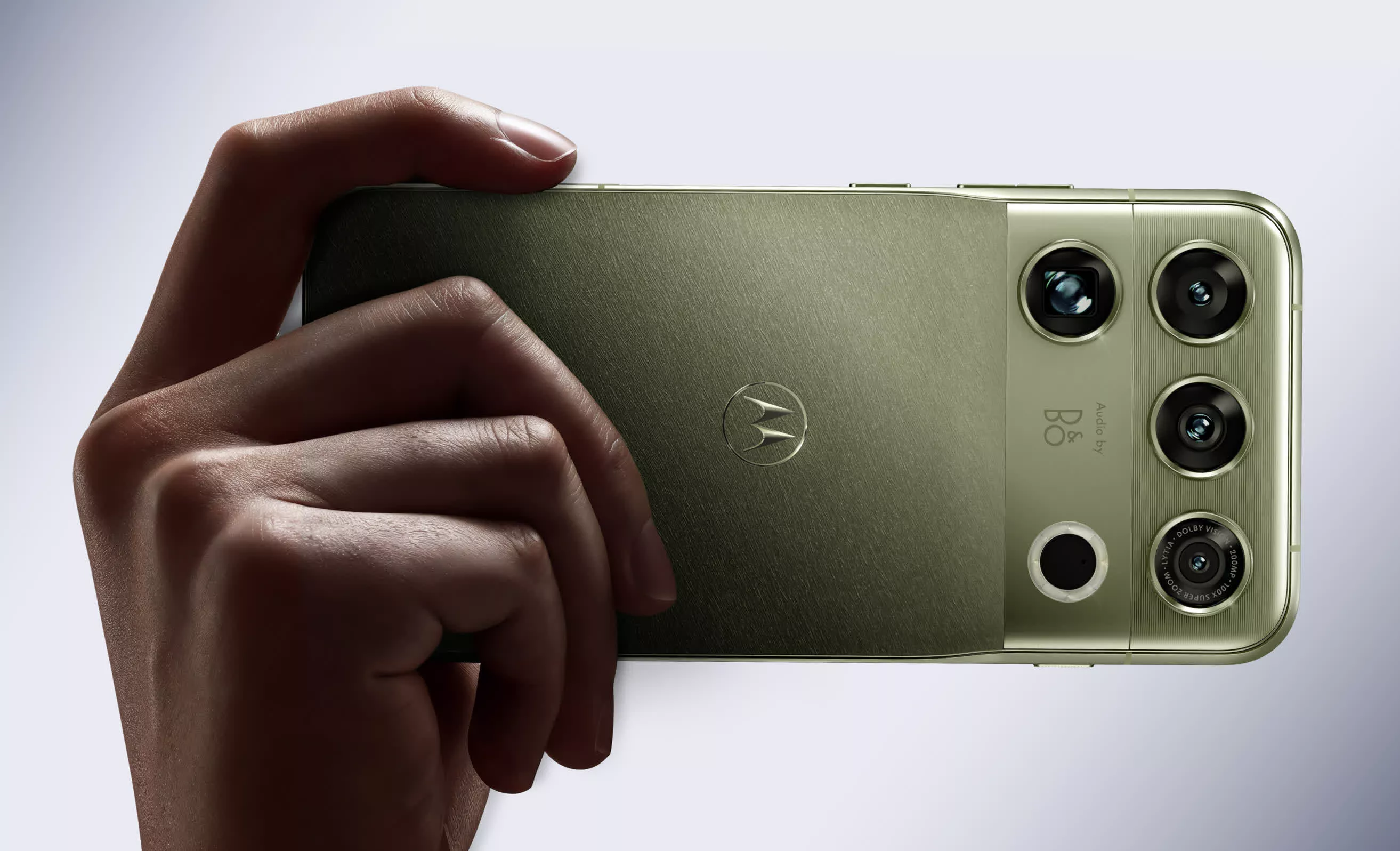
The Motorola Signature 27 is a high-end Android flagship that asks APAC professionals to judge it on endurance, display visibility, camera ranking, and software runway, not just specs. With a 6.8-inch Extreme AMOLED Duo screen, Snapdragon 8 Elite Gen 6, 7000mAh battery, Android 17, and up to seven years of updates, it is most compelling for buyers who keep phones past the first contract cycle. Its $1599.99 price, however, puts it in foldable-adjacent territory.
What is the Motorola Signature 27 and why does it matter for APAC tech buyers?
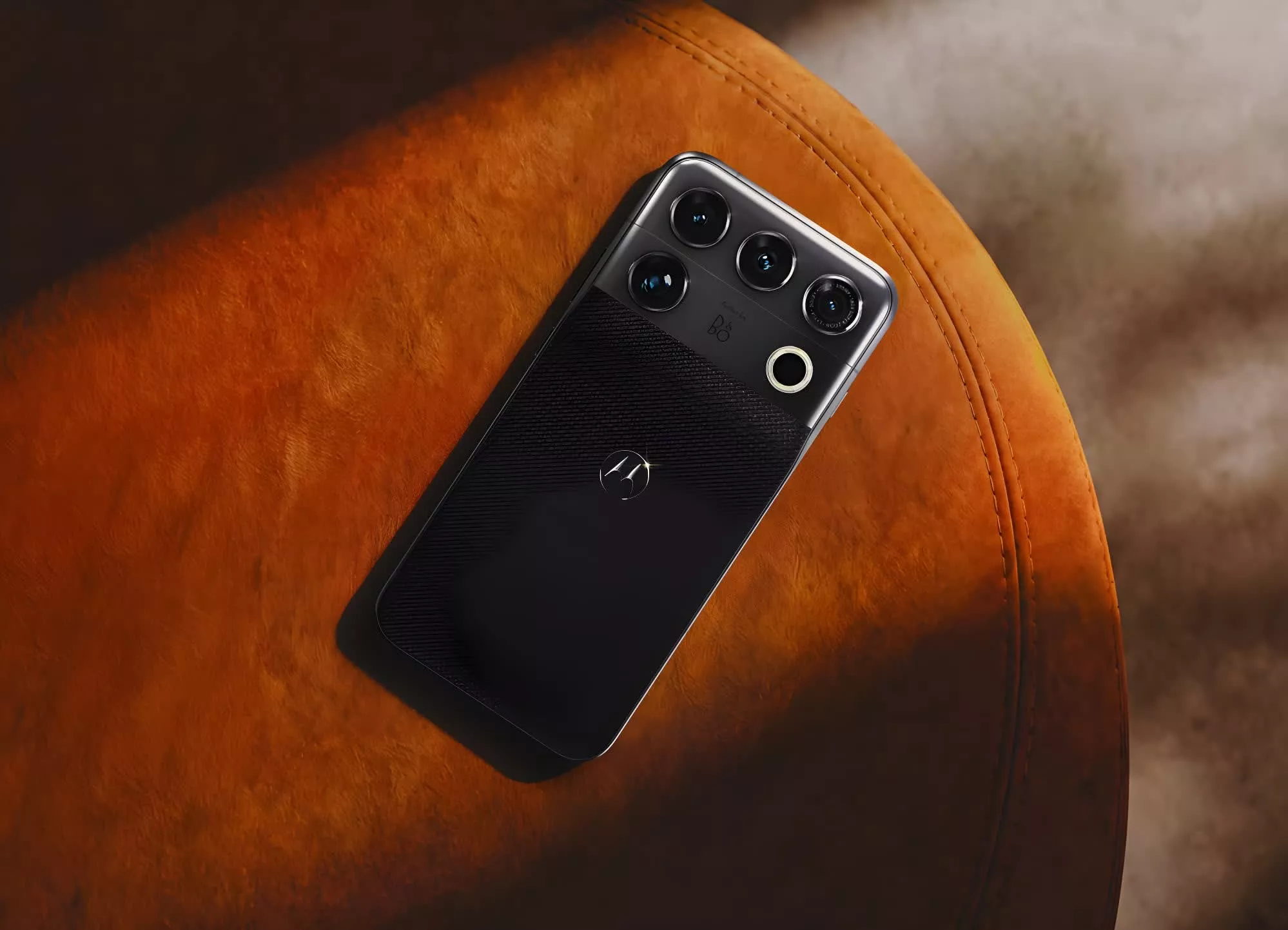
The short answer: Motorola is trying to move from premium value to ultra-premium credibility by combining display, battery, imaging, software support, and durability in one non-folding flagship. Key data points include a 6.8-inch Extreme AMOLED Duo display at 120Hz, up to 12000 nits peak brightness, Qualcomm Snapdragon 8 Elite Gen 6, 12GB RAM, 512GB UFS 4.1 storage, a 7000mAh battery, 90W wired fast charging, and IP68 and IP69 protection. The phone will be sold in Coal Smoke and Capulet Olive, two colorways, with pre-orders opening on November 19 and general sales on November 26 at a starting price of $1599.99.
| Decision factor | Anchor data | APAC relevance |
|---|---|---|
| Software runway | Android 17 plus up to seven years of OS and security updates | Useful for teams and individuals who plan device refresh beyond 24 months |
| Outdoor visibility | 12000-nit peak brightness on a 6.8-inch Extreme AMOLED Duo panel | Peak brightness helps fieldwork, but sustained daily brightness will be lower |
| Image evidence | DXOMARK world second, behind Huawei Pura 80 Ultra | Supports camera-led positioning without claiming it wins every contest |
Why does the seven-year Android 17 software commitment change the ownership story?
For APAC readers, software duration is more valuable than a single benchmark score because it changes total ownership cost. Signature 27 launches with Android 17 and is backed by Motorola's promise of up to seven years of system version upgrades and security updates from the global launch date. That also creates room for Google Gemini features to remain relevant across multiple hardware generations, especially content creation, task automation, and real-time assistance.
A separate trend signal comes from privacy-focused Android. GrapheneOS publicly confirmed in September 2026 that Signature 27 would become the first non-Pixel phone to receive official GrapheneOS support, according to Sina Tech coverage. The practical implication is not that every buyer should flash a different OS, but that a high-end Motorola device can now be considered for users who prioritize system-level privacy, stronger app isolation, and reduced default Google services coupling.
How strong are the display and camera in real-world use?
The display is not the phone's only claim, and peak numbers should be read with context. Motorola describes the Extreme AMOLED Duo panel as reaching up to 12000 nits in limited scenarios, while ordinary sustained brightness will be lower. That distinction matters for outdoor creators, sales teams, and field engineers who need readable screens without forcing the panel into peak mode.
The camera is where the strongest third-party validation sits. Signature 27 uses a triple-camera system: a 50-megapixel Sony Lytia L910 main sensor at f/1.6, a 50-megapixel ultra-wide camera at f/2, and a 200MP periscope telephoto lens with 3x optical zoom. An Event-Based Vision Sensor is added to help capture fast-moving subjects. The front 50-megapixel selfie camera supports video calls and selfies. In its Motorola Signature 27 camera test, DXOMARK reports a 173 score and places the handset at world second, behind only Huawei Pura 80 Ultra. That ranking is useful evidence, but the result is best understood as a balanced camera score rather than proof that every imaging feature will beat every rival.
What do battery, cooling, materials, and 5G add for daily and enterprise use?
Endurance is another core argument. The 7000mAh battery is paired with 90W wired fast charging, and Motorola claims that 12 minutes of charging can cover one day of typical use. Some materials also indicate up to 50W wireless charging. That combination is more useful in APAC markets where users often need long conference days, travel, or outdoor work than a marginal camera feature.
The rest of the body hardware reinforces a business-ready positioning. Corning Gorilla Glass Ceramic 3 covers the front, Bang & Olufsen, also referred to as B&O, tunes the audio, and a six-antenna design is intended to improve 5G connectivity. The phone also carries IP68 and IP69 dust and water resistance. Thermal control is handled by ArcticMesh, combining diamond-particle thermal gel, liquid metal, a large vapor chamber, and a copper mesh to sustain AI processing, gaming, and video editing loads. One spec report also describes the vapor chamber as 40% larger than the previous generation.
Memory is the one area where buyers should verify local variants. Signature 27's highlighted configuration is 12GB RAM and 512GB UFS 4.1 storage. Memory-supply pressure means 12GB remains flagship-level, even though some competing flagships previously offered 16GB RAM. Reports on higher-spec Signature 27 variants also mention 16GB LPDDR5X memory and up to 1TB UFS 4.1 storage, so purchase decisions should be made against the exact local model, not just the headline price.
What are the risks and action steps before November 26?
The main risks are price, regional availability, and peak-number marketing. A $1599.99 starting price places Signature 27 in a territory where some foldables are considered, and the pre-order and sale dates - November 19 and November 26 - are only valuable if the relevant APAC channel carries the intended memory and storage configuration.
- Choose it if: you keep phones for three years or more, value Android 17 and up to seven years of OS and security updates, and need a non-folding flagship with 7000mAh endurance.
- Test before bulk purchase: check sustained 12000-nit brightness behavior, IP68 and IP69 sealing in real dust or water exposure, and 5G signal quality with the six-antenna design in your office or field sites.
- Compare cameras with evidence: use the DXOMARK world second position behind Huawei Pura 80 Ultra as a starting point, then check Sony Lytia L910 photos, the Event-Based Vision Sensor in fast motion, and 200MP telephoto crops at 3x optical zoom.
- Security buyers: if GrapheneOS is your decision driver, verify official availability, compatibility, and upgrade path before recommending the device internally.
- Procurement checklist: confirm the $1599.99 local tax-inclusive price, whether the local SKU has 12GB RAM or a 16GB variant, whether 512GB UFS 4.1 or higher storage is listed, and whether the Coal Smoke or Capulet Olive color is in stock.
Frequently Asked Questions
Is 12000 nits the everyday brightness of Motorola Signature 27?
No. The 12000-nit figure describes a peak brightness level in limited scenarios; everyday sustained brightness is lower, so users should evaluate readability in normal sun and indoor use rather than the maximum number alone.
Why does the Motorola Signature 27 use 12GB RAM when rivals offer 16GB RAM?
Motorola's highlighted configuration is 12GB RAM with 512GB UFS 4.1 storage. Continued memory-supply pressure keeps 12GB at a flagship level even though some competitors previously offered 16GB RAM. Some reports mention higher-spec 16GB variants, so buyers need to verify the exact regional SKU.
Can Motorola Signature 27 support GrapheneOS?
GrapheneOS publicly confirmed in September 2026 that the phone would be the first non-Pixel device with official support, according to Sina Tech. Users who care about this path should still confirm the actual release plan and update compatibility for their region.
What are the pre-order date, sale date, and starting price?
Pre-orders open on November 19, general sale starts on November 26, and the starting price is $1599.99. The phone runs Android 17 and is promised up to seven years of system version upgrades and security updates from the global launch date.