
APACTech Briefing: Raven Prism's Standalone Bet — What Asia-Pacific Tech Teams Should Watch

A US wearables company is trying to break the formula that currently defines the category. Raven Resonance refuses to sell Raven Prism as another phone accessory: it labels the device the world's first "Ambient Computer" — eyewear that carries its own processor, memory, storage and operating system rather than borrowing them from a smartphone. Pre-orders opened on 29 October 2026 against a fully refundable US$49 deposit, with the first units scheduled to ship in January 2027, per the company's release distributed through PR Newswire. For readers in Asia-Pacific, the story is not the frame design. It is the architecture choice — on-device compute, on-device data, and an open Linux platform — and how that choice meets a regional eyewear market that is expanding quickly while regulators grow uneasy about wearable cameras.
Six facts to brief your team on
- Positioning: Raven Resonance calls the product an "Ambient Computer", a wearable meant to appear only when needed instead of staying glued to a smartphone.
- Compute base: a quad-core 64-bit ARM processor, up to 4GB of memory and at least 32GB of storage, running RavenOS, an operating system built on Linux that executes native Linux ARM64 applications and exposes SSH access for deep customisation.
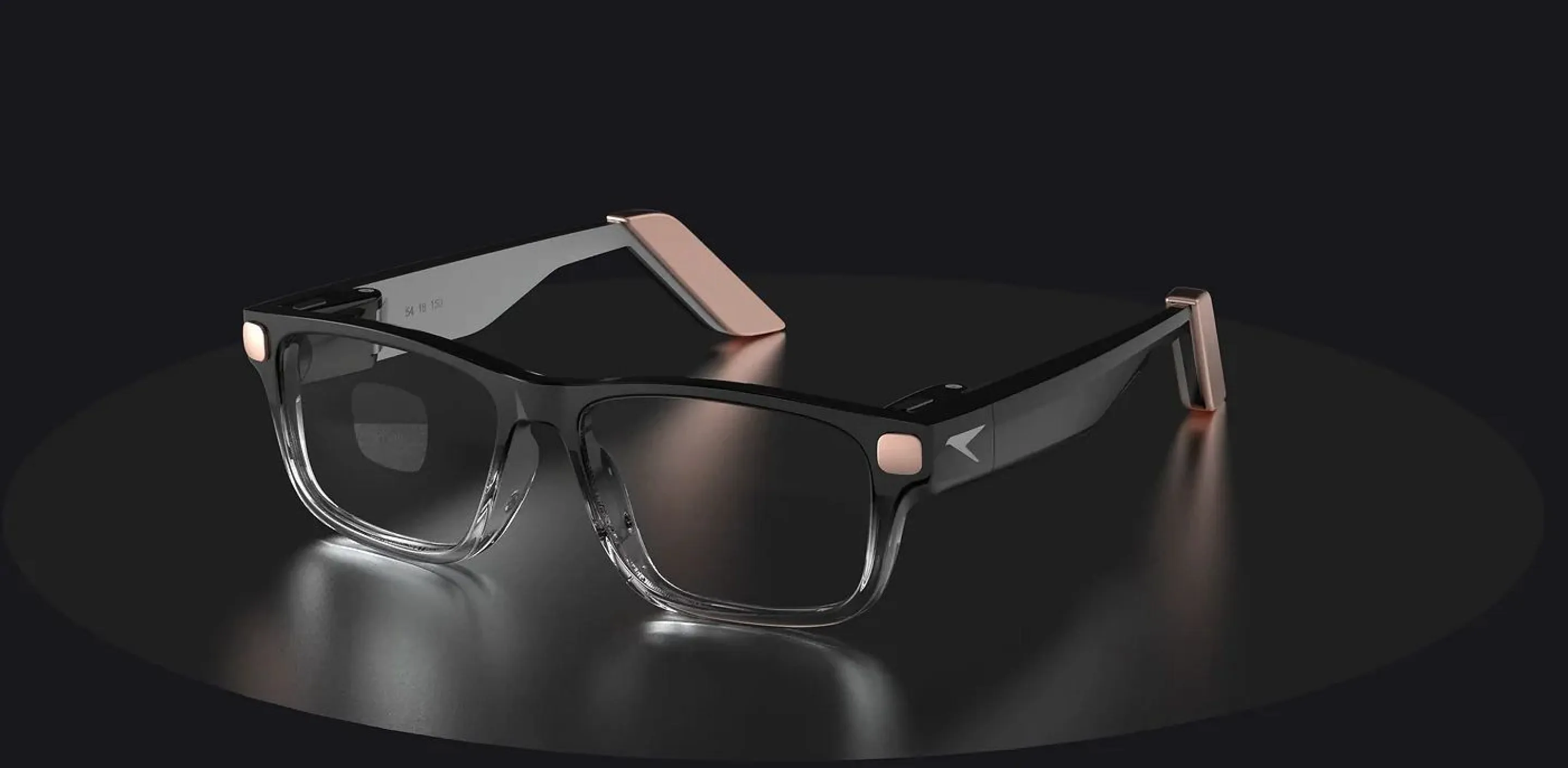
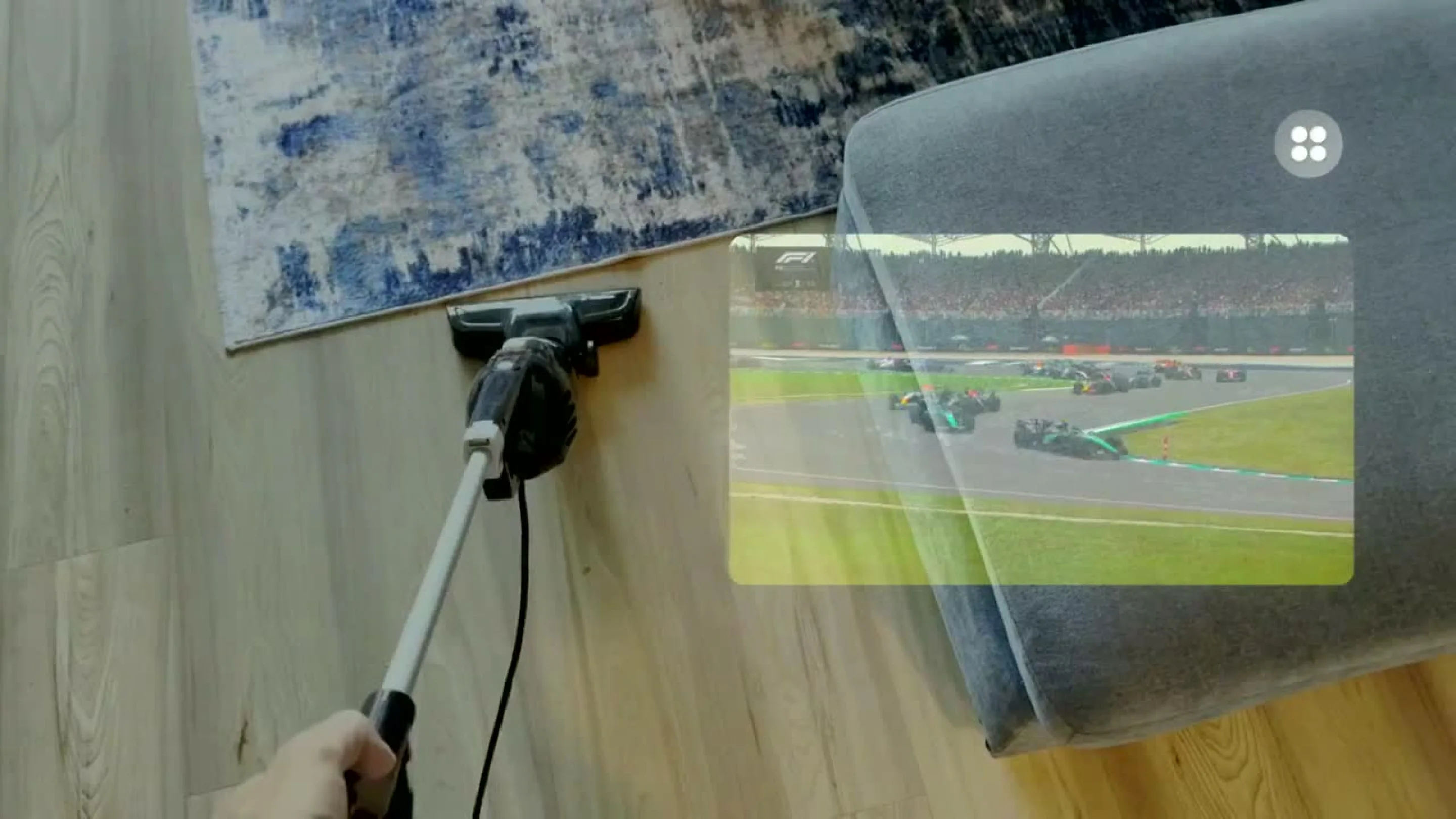
- Optics: a monocular layout — one full-color LCoS display pipes content through a waveguide into the right eye, with the company claiming a visual equivalent of one 16-inch display viewed at arm's length, placed at the edge of the field of view.
- Control: built-in eye tracking plus voice commands, aimed at moments when hands are occupied — navigation prompts, work documents, menus, boarding passes, to-do lists.
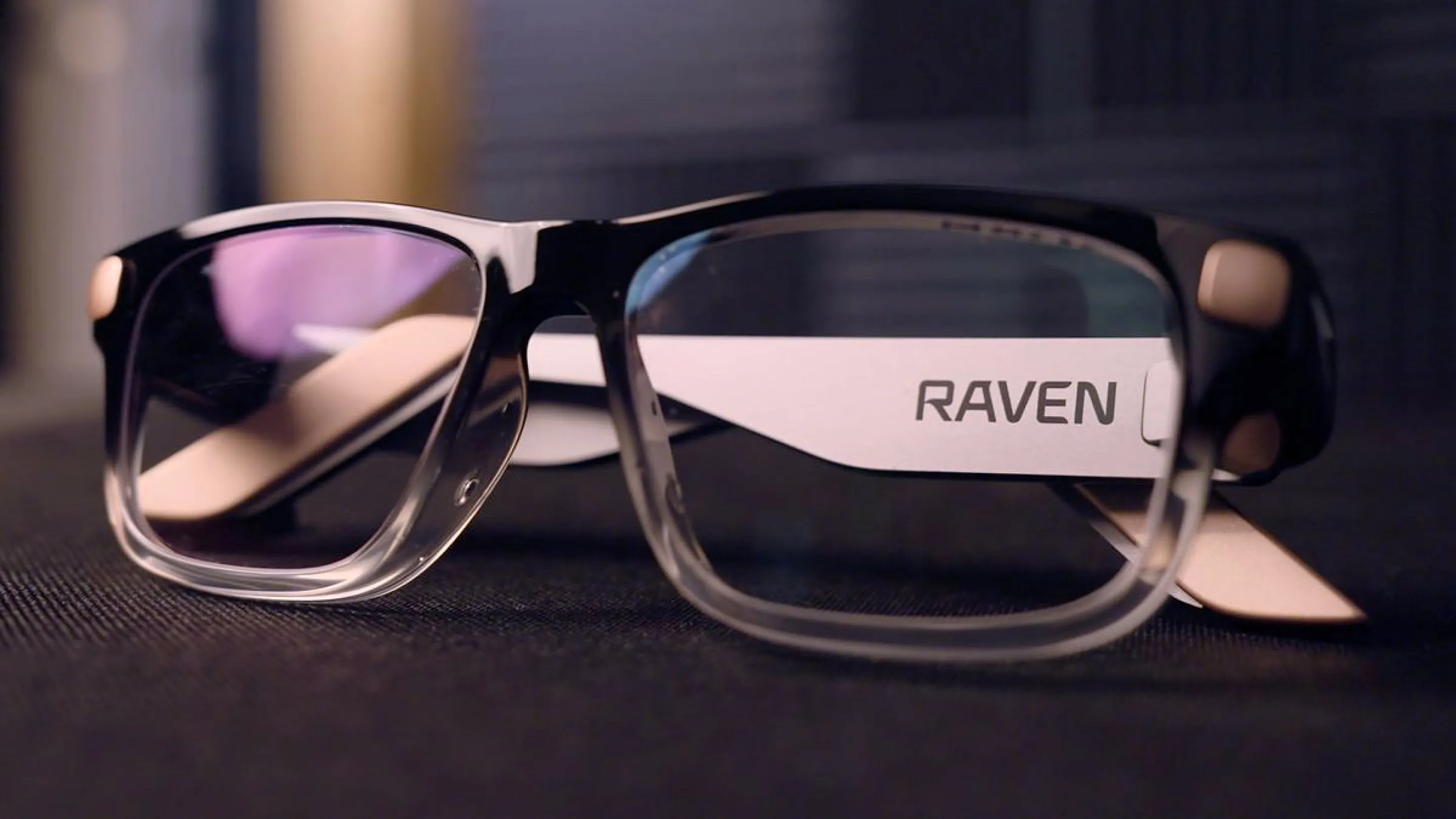
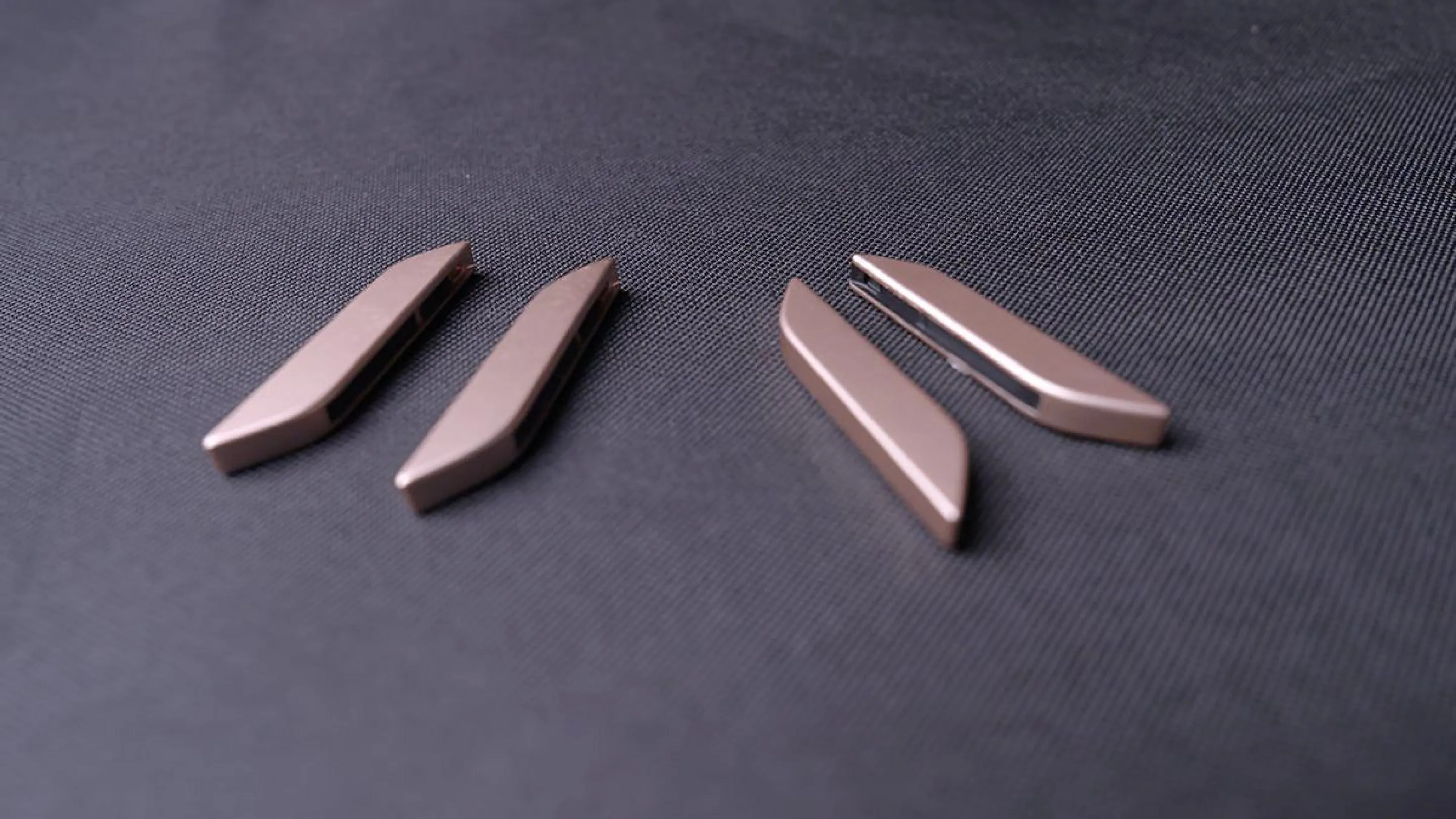
- Power: the Raven Wings modular battery system allows hot-swapping a depleted cell for a fresh one without rebooting, keeping application state intact; cellular, GPS and larger-capacity modules are floated as future Raven Wings add-ons.
- Software and privacy: more than 25 applications ship preloaded, low-level system access is opened to developers, and a 13-megapixel front-facing camera only works when a mechanical lens cover is manually opened, with a frame indicator light signalling capture.
Why invent a new category label instead of saying "smart glasses"
The naming is a deliberate positioning move. Most shipping eyewear today is a tethered peripheral: a paired handset supplies the CPU, the connectivity and often the cloud pipeline, so the glasses inherit the phone's battery anxiety, its upgrade cycle and, crucially, its data path. Raven Resonance's pitch, previewed on the AWE show floor in June 2026 and opened for reservation in late October, is that a device with genuine local compute can behave like a personal computer you wear — present when required, silent the rest of the time.
Two commercial pressures sit behind that framing. First, endurance and uptime: a standalone machine still needs to survive a working day, which is why hot-swappable power became the product's headline feature rather than a footnote. Second, business-model differentiation: the company states openly that it opposes surveillance-style monetisation built on user data, and positions privacy as a design principle rather than a settings menu. In a market where the volume leader has been repeatedly questioned by legislators over recording and training data, "we do not need your data" is a positioning asset as much as an engineering claim.
Architecture read: independence bought at a price
Spec sheets tell the trade-off plainly. Raven Prism runs a quad-core 64-bit ARM processor with up to 4GB of memory and at least 32GB of storage under RavenOS — enough to host native Linux ARM64 applications, a shell session and SSH into corporate systems, but nowhere near the headroom of a phone-class SoC. Hands-on coverage at AWE pegged a tentative base price around US$1,499 and a roughly 30-degree field of view for the single-eye full-color LCoS waveguide; neither figure is confirmed in the product's own launch materials, so treat them as evaluation assumptions.
| Decision point | Raven Prism (standalone) | Tethered flagship route |
|---|---|---|
| Operating system | RavenOS (Linux-based), open low-level access | Vendor mobile/XR OS behind a curated store |
| Where compute lives | On device: quad-core 64-bit ARM, up to 4GB memory, at least 32GB storage | Paired phone or PC supplies CPU and cloud links |
| Memory/storage context | Modest, sized for edge workloads | Comparable-class tethered glasses have launched at 12GB memory / 256GB storage, priced from US$1,279 |
| Display | One full-color LCoS display, monocular, edge-of-vision overlay | Wider stereo fields where the tether is accepted |
| Uptime model | Raven Wings hot-swap, no reboot, application state preserved | Recharge windows or external packs |
| Data path | Prioritised local processing; user decides what leaves the device | Frequently cloud-mediated |
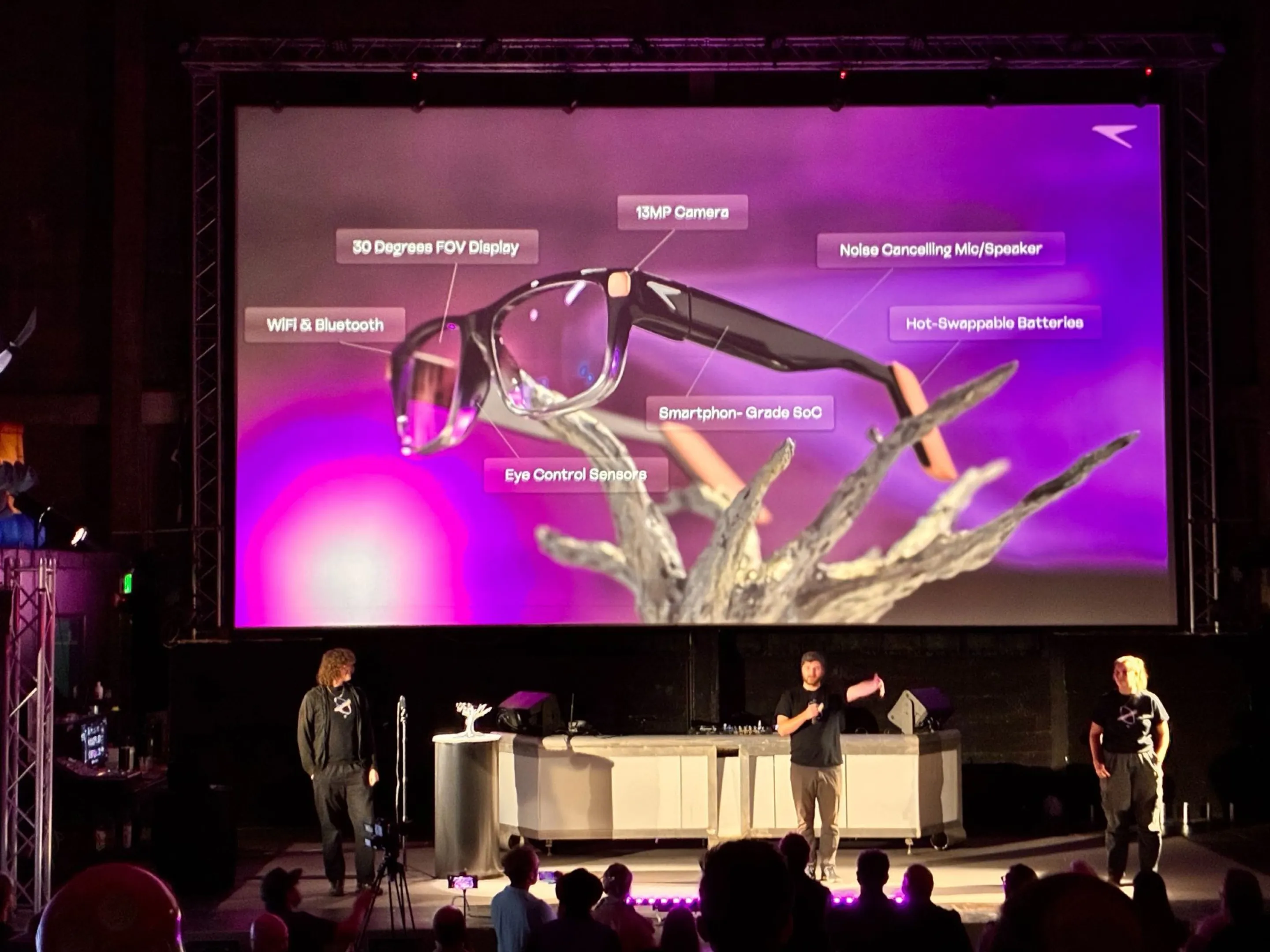
The practical implication for IT and product owners: Raven Prism is best read as a head-mounted Linux client with a constrained display, not as a consumer entertainment gadget. That suits operators who already standardise on Linux toolchains, and suits frontline roles where pulling out a phone is either disallowed or unsafe. It suits far less a mainstream consumer use case that expects rich, wide-field visuals.
Interaction and endurance: the two things pilots usually break
Because the display sits at the edge of vision, the wearer keeps observing the physical environment while reading digital content — the reason the company argues gaze and voice navigation feels more natural than a touchscreen reflex. Gaze selection, voice control and wireless peripherals replace the phone-as-remote pattern that defines most competing eyewear.
Endurance is where the design breaks most cleanly with convention. Under Raven Wings, the battery is a module: swap it while running, keep application state, keep working. Reviewers who handled the hardware describe more than one cell in the frame so that simultaneous swaps do not drop power — a detail that matters in shift-length deployments in warehouses, clinics and field service. The company says later modules could add cellular connectivity, GPS positioning and higher capacity, which would push the device toward asset-intensive verticals rather than casual wear.

Privacy engineering: a procurement argument, not a regulatory licence
On paper the privacy stack is unusually concrete: most processing is kept on the device, eye-tracking data is not uploaded by default, speech recognition prefers local execution, the 13-megapixel front-facing camera stays inert behind a mechanical cover, and an indicator light announces recording to people nearby. Users decide when the camera is on, what is sent to the cloud, and which functions may touch personal data.
Raven Resonance frames this as opposition to data-exploitative business models, with privacy treated as a core design principle.
Regional context raises the value of that design posture — and exposes its limits. Reuters reported in early October 2026 that countries are weighing bans on smart glasses over privacy concerns, and in September Australia said it was considering barring camera-equipped smart glasses from federal government workplaces, with a Brisbane council vote restricting covert recording at public pools. Hardware shutter plus indicator light helps a deployment pass an internal security review. It does not transfer bystander-consent obligations away from the organisation that issues the device.
Regional demand: why local-first lands in Asia-Pacific now
The timing matters. Grand View Research put Asia-Pacific smart glasses revenue at US$645.4 million in 2025 and projects a 27.3% CAGR from 2026 through 2033. IDC's tracking points the same direction in volume terms: shipments of glasses without displays are forecast at roughly 13.6 million units for full-year 2026 and about 27.3 million by 2030, while Chinese smart eyewear alone shipped 623,000 units in the third quarter of 2025, up 62.3% year on year.
Two regional characteristics favour a standalone, locally processing machine. First, fragmented connectivity and data-residency rules: factories, ports, hospitals and government sites across the region frequently ban personal phones or prohibit cross-border data flows, which makes an on-device workload with SSH access and a mechanical camera cover far easier to approve than a cloud-tethered one. Second, dense prescription-glasswear and frontline workforce scale in East and South-East Asia: eyewear that resembles ordinary prescription frames lowers the adoption friction that head-mounted formats have never fully overcome.
Ecosystem: the make-or-break variable
Software is where an independent route gets expensive. Raven Prism plans more than 25 applications preloaded and opens underlying system access so developers can build and deploy directly, bypassing the closed-store approval path that dominates mainstream smart glasses. The upside is speed and breadth for a Linux-native developer community. The downside is responsibility: Raven must assemble the tooling, documentation, device management and support that large platforms supply for free, while the installed base stays tiny through 2027.

Risk checklist before any pilot
- Delivery risk: first shipments are only scheduled for January 2027 — no production fleet can be built on promises this side of that date.
- Platform risk: modest memory and storage cap how heavy an on-device workload can be; validate the target application, not the demo.
- Display risk: a single-eye, edge-of-vision panel with a narrow reported field of view is fine for glanceable data, poor for spatial tasks.
- Ecosystem risk: confirm whether an enterprise management story exists at all — Linux access without MDM is a security exception, not a feature.
- Policy risk: recording rules in government, healthcare, childcare and retail settings tighten every quarter; deploy only with a written zone policy.
- Competitive risk: tethered rivals with larger platforms and lower entry prices may compress the standalone niche before it matures.
Action lines for APAC decision owners
- Book an evaluation slot for Q1 2027 rather than a purchase order; use the deposit-free window to test one narrow workflow with measurable handle-time targets.
- Re-run the glasses policy draft now: permitted zones, disclosure wording for colleagues and customers, storage and retention rules, and an exception path for security-sensitive areas.
- Have platform engineering assess the RavenOS toolchain against existing Linux standards — SSH audit, package provisioning, remote wipe, and whether custom ARM64 apps can be signed and version-controlled.
- Model total cost against a tethered alternative on three axes: device price, spare Raven Wings modules and shift coverage, and support headcount.
- Track two watch signals: any Raven Wings module carrying cellular or GPS, and app count beyond the initial more than 25 applications — both are cleaner ecosystem indicators than spec-sheet claims.
Trend call
- Category splitting is coming: "Ambient Computer" versus "smart glasses" gives buyers a real architectural fork — independent machines with constrained displays, or tethered peripherals with richer optics.
- Local-first is becoming commercial infrastructure: hardware shutters, on-device eye data and indicator lights are moving from ethics statements into procurement criteria as APAC regulators act.
- Modularity is the durability answer: hot-swappable, upgradable modules extend device life in ways fixed-battery eyewear cannot, which is what enterprise refresh cycles actually reward.
Pre-orders are open, prototypes have been shown, and the market verdict is still pending. What Raven Prism already delivers is a legitimate counter-thesis to the industry default: eyewear that computes for itself, keeps data close, and asks permission before recording. For Asia-Pacific teams weighing their first wearable rollout, that thesis is worth testing against a single narrow workflow — on paper first, on the head in 2027.