
APACTechBriefing: Galaxy Studio FCC Filing Shows Samsung's Early 2027 Headphone Comeback Plan
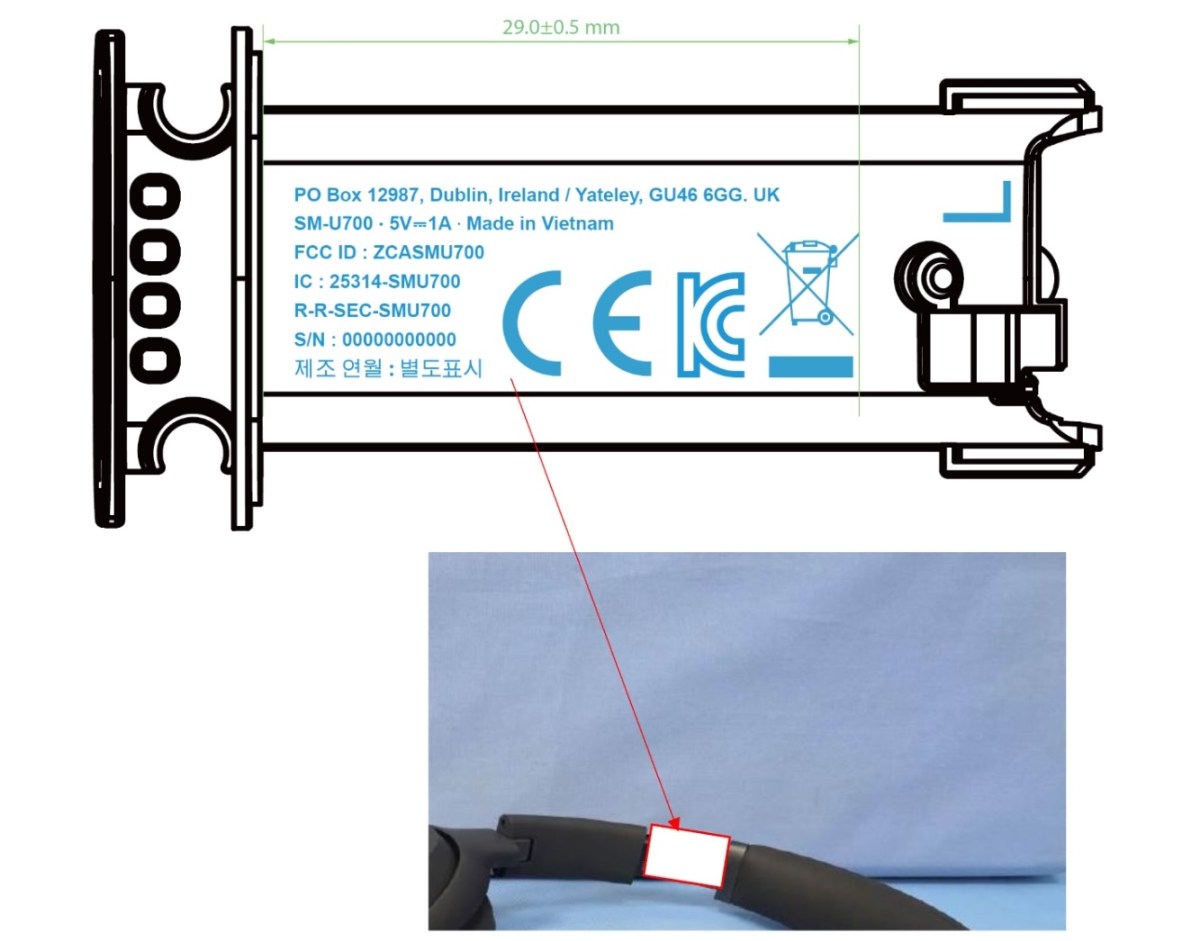
Recent filing information suggests Samsung's Galaxy Studio over-ear headphones are moving toward launch after a gap of more than a decade, with early 2027 emerging as the likely window, potentially alongside the Galaxy S27 series. For APAC technology buyers, the signal is simple: Samsung appears ready to test whether Galaxy ecosystem integration, premium audio tuning and portable design can give it a foothold in the high-end headphone segment recently dominated by Apple's AirPods Max.
What does the SM-U700 FCC filing confirm?
The filing confirms the product's approach to regulatory approval, not a full commercial specification sheet. The core signal is that Samsung has placed a Bluetooth over-ear device, model SM-U700, into the United States Federal Communications Commission (FCC) process, which usually shortens the distance to public announcement.
| Signal | What it means | What it does not mean |
|---|---|---|
| FCC entry for SM-U700 | The United States regulatory process is underway. | It does not confirm price, color availability or full features. |
| Folding design clues reported by SamMobile | Packability may become a practical selling point for commuters. | It does not prove final materials, durability or retail accessories. |
| Early 2027 rumor window | It aligns with the expected Galaxy S27 series launch cycle. | It is not an official Samsung launch date. |
The FCC database entry appeared on November 4, 2026, according to reports reviewing the filing. SamMobile's coverage said the materials revealed a flexible folding concept, Bluetooth LE support, and Black and Beige color options. For APAC product teams, that combination is notable: over-ear headphones increasingly need to balance sound quality with portability.
Not all observers treat the rumor as settled. The Street wrote that "Samsung has not made the headphones public, the Galaxy Studio moniker is based on a leak, and an early 2027 debut is still up in the air." This restraint is useful because a premium audio launch depends on confirmed firmware, codec support and cross-device behavior, none of which can be inferred from a regulatory label alone.
Why does an over-ear return matter after many years?
Because it fills a missing premium tier inside the Galaxy ecosystem. Samsung remains strong in smartphones, tablets, wearables and true wireless earbuds, but the over-ear category is where buyers expect the strongest combination of noise control, soundstage, comfort and cross-device behavior. If Galaxy Studio works as planned, it gives the Samsung ecosystem another anchor for office, commute and travel scenarios where earbuds may be less comfortable over long sessions.
The company's audio resources also matter. Through Harman International, Samsung has access to brand and tuning experience associated with AKG, JBL and Harman Kardon. That does not prove final sound quality, but it changes the competitive conversation from a novelty comeback to a test of whether Samsung can translate group audio capability into a Galaxy-branded flagship headphone.
The Level series was Samsung's previous over-ear reference point; returning after many years means the design language is being rebuilt from a different starting line. The company is not simply reviving an old product family. It is attempting to make the Galaxy brand carry a premium listening experience that sits above the Galaxy Buds series.
Why the Asia-Pacific angle matters for this launch
Asia-Pacific is not a side market for this category; it is one of the fastest-moving places where premium wireless audio is expected to expand. Grand View Research estimated the Asia-Pacific earphones and headphones market at USD 23.3 billion in 2023 and projected a 16.1% compound annual growth rate from 2024 to 2030. For APAC buyers, that means an over-ear launch can matter for three reasons: enterprise audio needs, mobile-first commuter demand, and regional price sensitivity around flagship accessories.
Samsung's strength in several APAC phone markets gives it a distribution advantage. If Galaxy Studio launches with deep features for Galaxy phones, tablets and wearables, it could attract users who already value device-to-device switching. But the competitive bar is high: Apple's AirPods Max already has a strong design identity, while established audio vendors compete through tuning, noise cancellation and long battery life.
Another APAC variable is channel behavior. In markets with fast-moving online promotions, launch pricing can become a key differentiator before full reviews circulate. That makes an early 2027 debut risky if Samsung has not locked down a clear value story around comfort, battery life and ecosystem features.
What APAC decision-makers should watch next
The most efficient way to track the launch is to separate confirmed signals from speculation. For product managers, procurement teams and channel operators, the next few months will decide whether the early 2027 window becomes real.
- Watch for official naming confirmation. The model SM-U700 is linked to Galaxy Studio in leaks, but the final public name should still be verified.
- Track whether additional certifications appear beyond the FCC filing, especially Bluetooth, battery and radio approvals.
- Listen for ecosystem feature claims, such as seamless switching across Samsung ecosystem devices and audio behavior compared with the Galaxy Buds series.
- Monitor pricing expectations for APAC markets. A premium over-ear entry only makes sense if it can justify a gap above true wireless earbuds.
- Assess enterprise fit: conference calls, travel noise, long-shift comfort, and compatibility with Android-based business devices.
In the coming months, more certification records, retail listings or event teasers may clarify the product. Until then, the strongest conclusion is directional: Samsung is preparing to re-enter premium headphones with a Galaxy-branded over-ear product.
Frequently asked questions
Is Galaxy Studio officially announced?
No. The available evidence comes from regulatory and leak-based reports, not a Samsung product announcement.
Will it launch in early 2027?
That is the leading expectation, potentially with the Galaxy S27 series, but the date is not official.
Does FCC approval mean the headphones are confirmed for sale?
Not exactly. An FCC entry means a device is moving through United States regulatory review, but it does not set the launch date, price or final feature list.
Why should APAC readers care?
Because Galaxy Studio could test whether a smartphone-first ecosystem can win a premium over-ear segment in a region where personal audio demand continues to grow.