
SPH Media five-system breach: why 9% data exposure and two system groups matter for Singapore
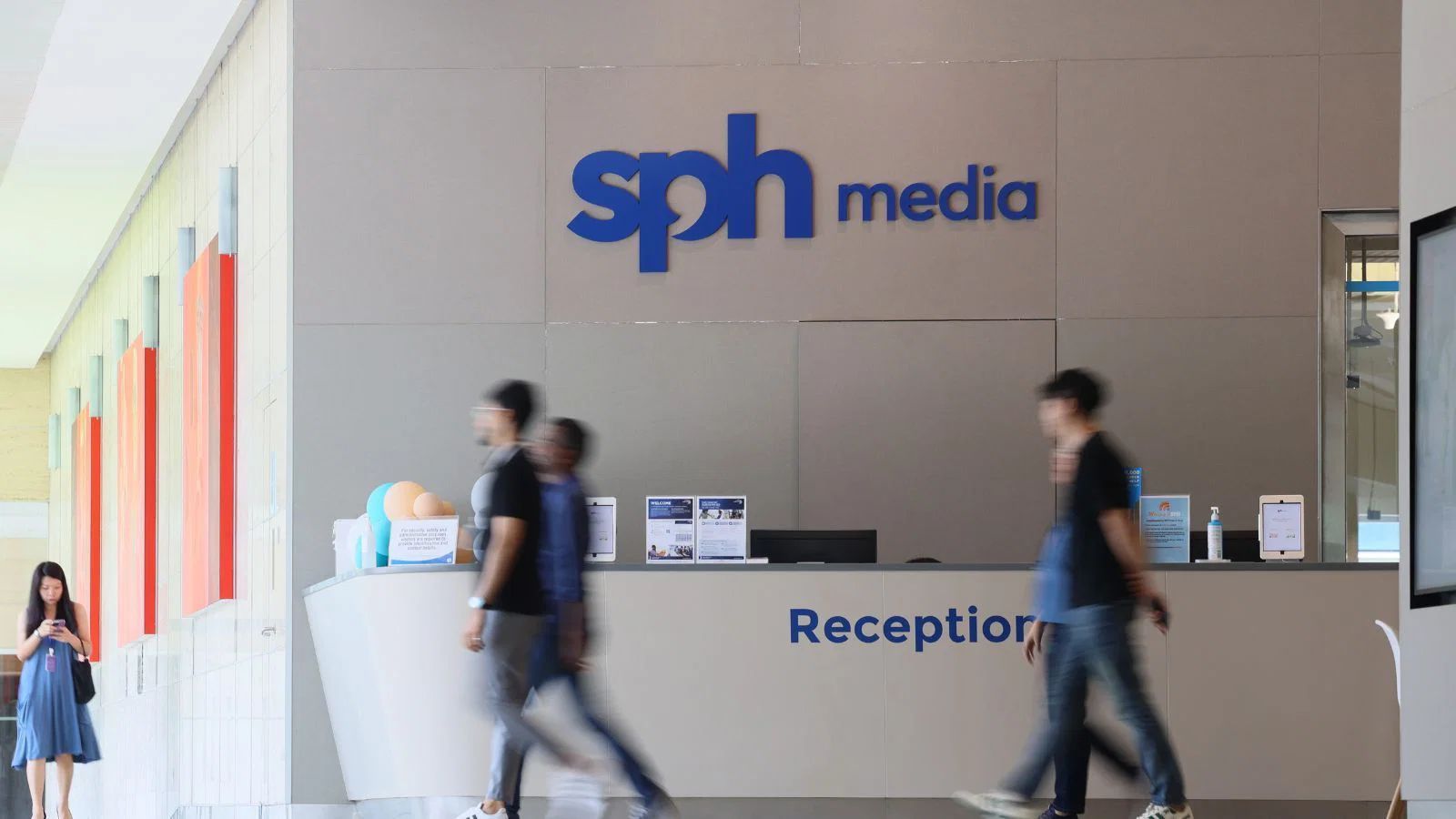
The five-system incident at SPH Media exposed records equal to 9% of its database, but the more useful signal for Singapore organisations is the split into two groups: one held personal data, the other did not. In recent months, incidents involving MoneySmart, SIMBA and Fore Coffee have turned notification, containment and phishing discipline into executive-level control work, not a technical ticket.
What did the SPH Media breach actually expose?
The case starts with intrusions on five systems, and SPH Media believes one threat actor coordinated the attacks. The answer is narrow at the record level but broad at the control level. The company said the incidents spanned two groups: one set stored personal data, while another set did not. In the personal-data group, email addresses formed most exposed information, with some names, mailing addresses and phone numbers also involved. Those records represented 9% of the database. SPH Media said payment card details, financial or banking information, and customer account access were not compromised.
For a briefing reader, the point is not that 9% is small. It is that one breach report can carry two different remedies. A personal-data event triggers customer notification, regulator engagement and scam warning. A no-personal-data intrusion still exposes an access path that may reach other systems if logging, segmentation or vendor credentials are weak.
| Group | What it held | What management should treat as the first question |
|---|---|---|
| First group | Personal data such as email addresses, some names, mailing addresses and phone numbers | Which customers must be notified, and what phishing risk follows? |
| Second group | Systems without personal data, but still reached through unauthorised access | How did the actor move, and what boundary did it cross? |
How did SPH Media and Singapore regulators respond?
The response pattern is now standard practice in Singapore: contain, investigate, notify affected parties, and report to authorities. SPH Media said it secured affected systems and engaged external cybersecurity experts. It also reported the incidents to the Personal Data Protection Commission (PDPC), Cyber Security Agency of Singapore (CSA) and Infocomm Media Development Authority (IMDA), and filed a police report.
The authorities' role matters because it shifts the event from an internal IT problem to a compliance and public-trust case. IMDA and PDPC confirmed in a joint statement that they were aware of the incident and had launched investigations. They instructed SPH Media to contain impact and identify root cause, while CSA said it was monitoring developments closely. The authorities also called on organisations to strengthen protection against data breaches and urged the public to stay alert to phishing and scams.
For companies, the reporting expectation is concrete. The PDPC guidance says notification must be made no later than three calendar days after determining a breach is notifiable. That rule does not mean every incident becomes a regulator case, but it forces the CEO, legal, customer operations and security team to make one shared judgement fast. PDPC breach reporting guidance provides the reference point.
“SPH Media takes the security and confidentiality of customers' information very seriously, and has been working very closely with the relevant authorities and third party specialists”.
“We remain committed to safeguarding the information entrusted to us”.
All affected parties have since been notified and advised on precautionary measures, while an advisory was published on the company website. The practical instruction for readers is simple: treat any email, message or call asking for personal information, passwords or payments as suspicious until verified through an official channel.
Why does a 9% database exposure still carry outsized risk?
Because attacker economics rarely needs a full customer record to begin. Email addresses plus names and phone numbers are often enough to build convincing phishing, business-email compromise, impersonation or SIM-swap style lures. In APAC media, retail and finance platforms, the same data fragment may be combined with a purchase history, service ticket or loyalty balance to make a scam feel routine.
The wider lesson is organisational. Security failures are often not caused by unknown technology alone, but by unclear ownership across portals, vendor systems and internal staff access. When one set contains personal data and another does not, decision-makers should ask who owns each system, whether shared credentials exist, and whether notification duties can be triggered by a partial data set.
What does the recent Singapore breach pattern reveal?
The SPH Media disclosure is one data point in a run of incidents across Singapore. Earlier this month, MoneySmart confirmed an incident involving customers in Singapore and Hong Kong after access to its internal IT systems by an unauthorised third party. The incident was discovered on 29 October, and personal data belonging to some customers was copied; MoneySmart did not disclose the number affected but said it was contacting customers directly.
SIMBA confirmed in September that a data breach affected 23,549 customers, exposing names, identity card numbers, dates of birth, mobile numbers and email addresses. The company said the breach was discovered on 24 September and later resolved, with no credit card or banking information compromised and no indication that exposed data had been maliciously misused.
Other recent reporting has also referenced an incident involving Fore Coffee, with reports stating a breach affecting 5.7 million customer accounts. Related coverage has also referenced incidents involving:
- Marina Bay Sands, over 665,000 patrons
- Shun Hing Group, over 920,000 customers
- Nike, investigating alleged data breach following leak claims
The pattern suggests a regional trend: the first question is no longer whether a breach can happen, but whether the business knows which system holds which data class, who must decide notification, and how quickly customer communication can move from reassurance to specific scam warnings.
What should APAC tech and data owners do next?
Executives should treat the incident as a control test rather than a news item. A practical checklist should sit with the same owner as the budget, because incident response fails when every function waits for another department to move.
- Inventory systems by data class, not by project name: personal data, no personal data, customer account access, payment-related data.
- Map portals used by staff and vendors, because one low-privilege portal can be the first foothold into a wider environment.
- Build a three-day decision gate for regulator notification, with legal, customer operations and security present.
- Separate identity and access boundaries where possible; the Korea financial-breach pattern argues for identity segmentation before simple perimeter fixes.
- Send customer advisories that explain what was exposed, what was not exposed, and what scam signals will follow.
- Run a tabletop drill every quarter with a no-personal-data intrusion scenario, because containment often breaks when the event lacks a clear victim group.
Final read for APACTechBriefing readers
SPH Media's incident may be remembered for a percentage, but the decision-useful part is the split into two system groups and the coordinated reporting chain that followed. In Singapore, as in much of Asia-Pacific, breach readiness is becoming an executive operating discipline: know your data map, test your notification clock, and assume that a limited set of fields can still create meaningful harm.