
Case Review: What Zhiyuan's Genie G2 Max Shows About Heavy-Load Humanoid Robots in APAC Warehouses
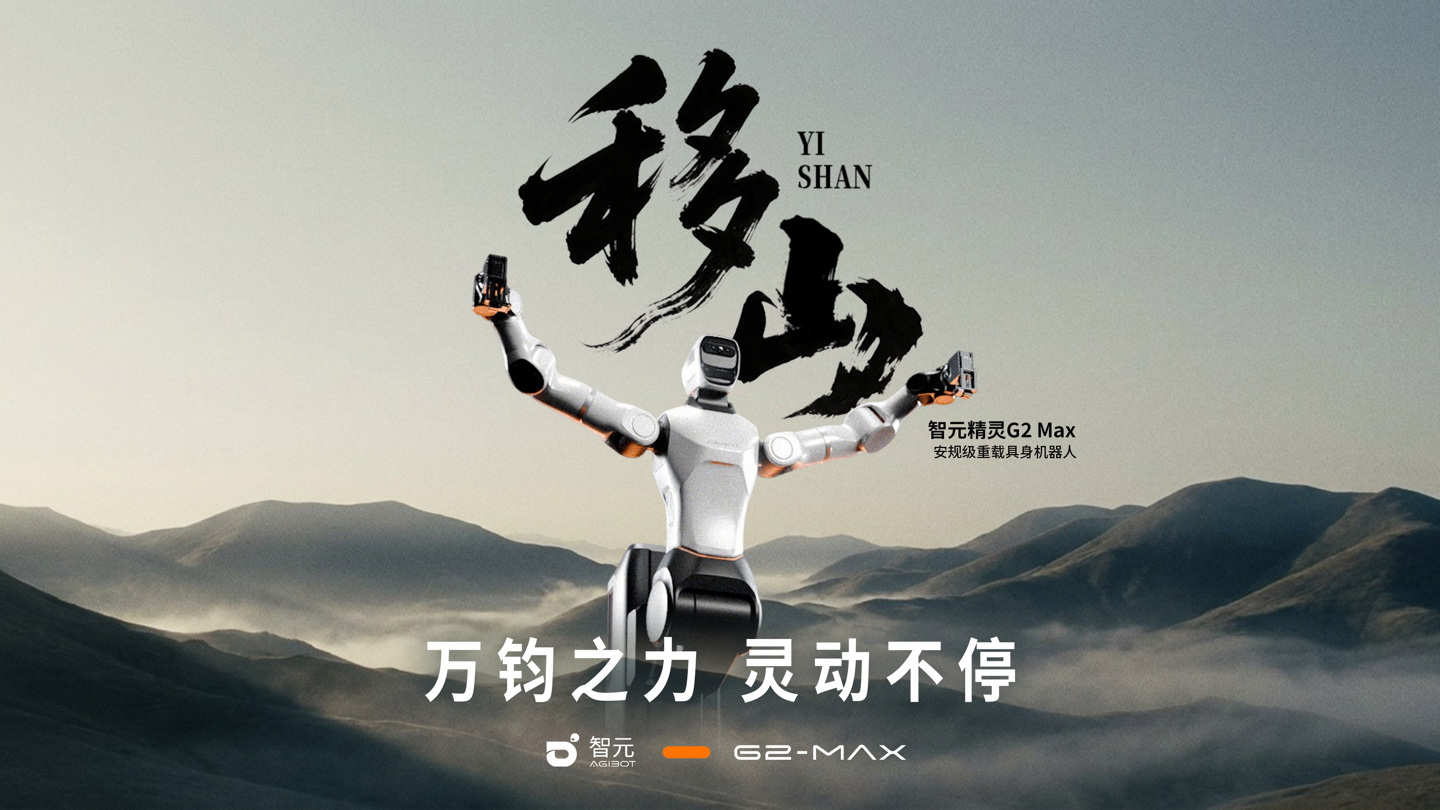
As reported by IT Home today, Oct 26, Zhiyuan introduced Genie G2 Max, a safety-rated heavy-load embodied robot for depalletizing, tote transfer and line feeding. Its JD Logistics Zhilang warehouse case shows why APAC managers care: 20kg single-arm and 40kg dual-arm rated payload, 50kg peak load, arm repeat positioning accuracy of ≤±0.5mm, more than 99% task success, and 80 boxes per hour depalletizing or 75 boxes per hour palletizing.
What is the case being reviewed?
The case is not a prototype demo. Zhiyuan says G2 Max has already been running on multiple production lines. In e-commerce storage operations, the robot handles full-tote inbound and empty-tote recycling tasks, working alongside existing goods-to-person systems rather than replacing an entire warehouse network overnight. According to China AGV, the machine is used in the inbound handling process at JD Logistics' Zhilang warehouse.
That framing matters for APAC operators: the most transferable result is process participation—take a tote, move it, stack it, and return it to the next step—while the broader automation layer remains in place. It lowers the integration hurdle compared with projects that rebuild racking, conveyors or floor layouts from scratch.
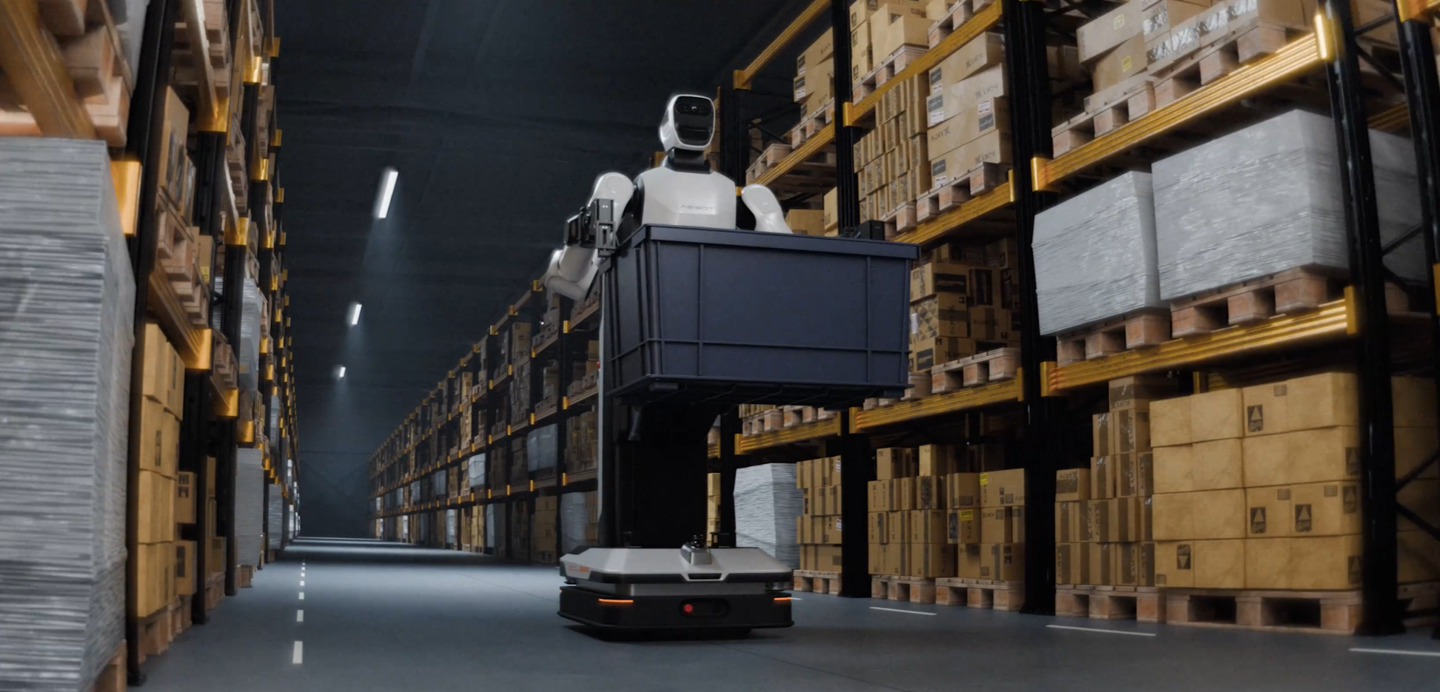
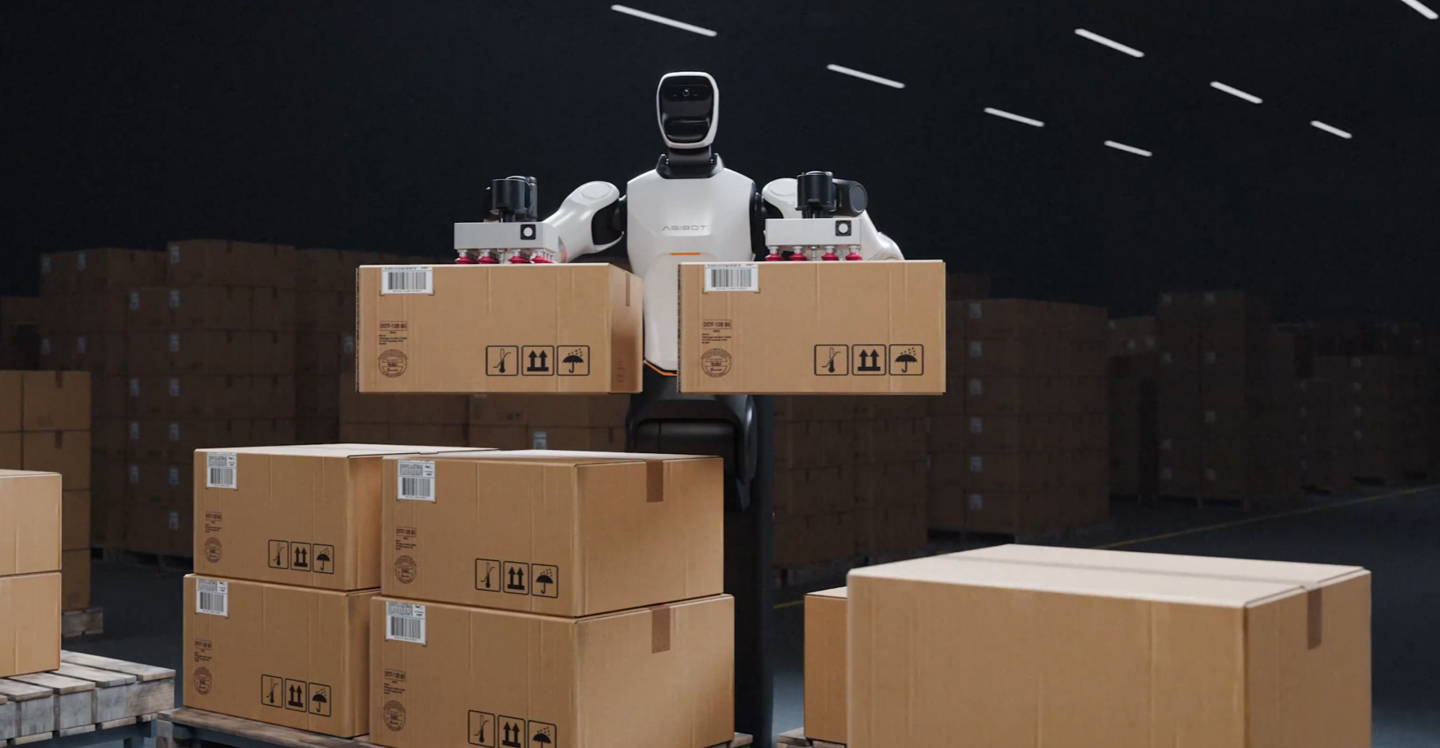
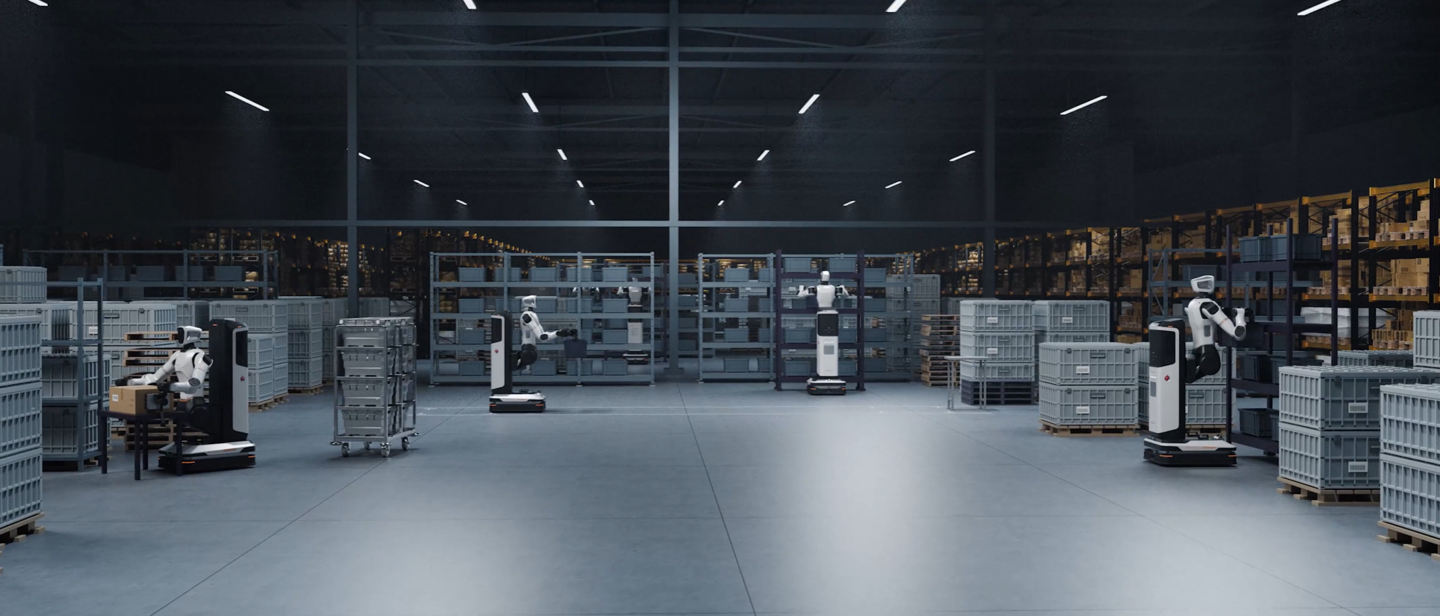
How did the deployment move from announcement to production?
At the 2026 World Artificial Intelligence Conference (WAIC) in July this year, JD Logistics and Zhiyuan announced the next-generation Genie G2 Max and said it would be applied in JD Logistics' Zhilang warehouse. The company described it as a first deployment of a humanoid robot in a real warehouse production scenario. The Oct 26 launch adds operational metrics: more than 99% success, 80 boxes per hour depalletizing and 75 boxes per hour palletizing.
A useful detail from trade coverage is that the robot can use a high-precision waist pitch joint to adjust its posture and fit existing lines, reducing the need for a large 1.5-meter rear clearance. This is important in dense APAC warehouses where every extra square meter is scarce.
Why does the case matter beyond China?
Asia-Pacific warehouse automation is becoming a spending priority. Mordor Intelligence estimates the regional market rising from USD 14.18 billion in 2025 to USD 17.36 billion in 2026. For digital leads in Southeast Asia, Japan, Korea and Australia, the Genie G2 Max case provides a benchmark for evaluating embodied robots: can they maintain a stable takt, handle mixed tote loads and run through 24-hour shifts without constant human rescue?
The robot's claimed 24-hour capability targets three recurring constraints: night-shift staffing, repetitive heavy lifting and manual tote handling errors. If these hold in production, robots are sold not as novelty devices but as scheduling assets.
| APAC decision item | Case evidence | Manager takeaway |
|---|---|---|
| Throughput proof | 80 boxes per hour depalletizing, 75 boxes per hour palletizing | Compare against human shift targets and conveyor takt, not vendor hype. |
| Reliability proof | More than 99% task success in e-commerce warehouse operations | Require 90-day logs by SKU, tote type and failure mode. |
| Space proof | Waist posture adjustment can fit existing lines; reports say 1.5-meter rear clearance is reduced | Map floor layouts before pilot. |
What expert view does the vendor add?
Zhiyuan co-founder Yao Maoqing has argued that embodied intelligence is not a laboratory demonstration and must be tested on real production lines. That statement fits the case: the value metric is not walking speed or appearance, but whether a machine can finish a long sequence—carry, position, stack, adjust, repeat—without frequent intervention.
What reusable lessons should APAC operators take?
- Start with one bounded flow: inbound depalletizing, tote recycling or line feeding, not full warehouse takeover.
- Validate payload ranges in practice: 20kg per arm and 40kg dual-arm rated load are useful, but tote weight shifts, box deformation and surface friction change results.
- Measure precision against task tolerance: ≤±0.5mm repeatability matters only when the station's fixtures, labels and rack openings accept it.
- Test mixed robot fleets: the JD Logistics case suggests value when a humanoid robot plugs into goods-to-person and other automation assets.
- Run a 24-hour trial with staffing metrics: night-shift absence is a business case, but maintenance, charging or task dispatch windows can erase the benefit.
Frequently asked questions
What tasks does Genie G2 Max target?
It targets depalletizing, material transport and line feeding. The reported warehouse task is tote handling: receiving, moving, stacking and returning totes within an existing flow.
What evidence supports warehouse readiness?
The strongest evidence is production-side data: more than 99% success, 80 boxes per hour depalletizing and 75 boxes per hour palletizing, plus a named deployment at JD Logistics' Zhilang warehouse.
Should APAC managers buy a humanoid robot now?
Not necessarily. A better first step is a bounded pilot where payload, tote variance, floor layout, safety rules and 24-hour duty cycles can be measured. The reusable lesson is that deployment evidence, not specs alone, is the purchase gate.
References
- IT Home launch report: https://www.ithome.com/1/017/951.htm
- China AGV deployment report: https://m.chinaagv.com/news/detail/202610/37523.html
- Sina Finance trade report: http://finance.sina.com.cn/roll/2026-10-30/doc-iniwyfwc8335467.shtml
- Mordor Intelligence Asia-Pacific warehouse automation market: https://www.mordorintelligence.com/industry-reports/asia-pacific-warehouse-automation-market