
Fujifilm's Fivefold Tape Bet: What AI Cold Data Means for Asia-Pacific Storage Budgets | APACTechBriefing
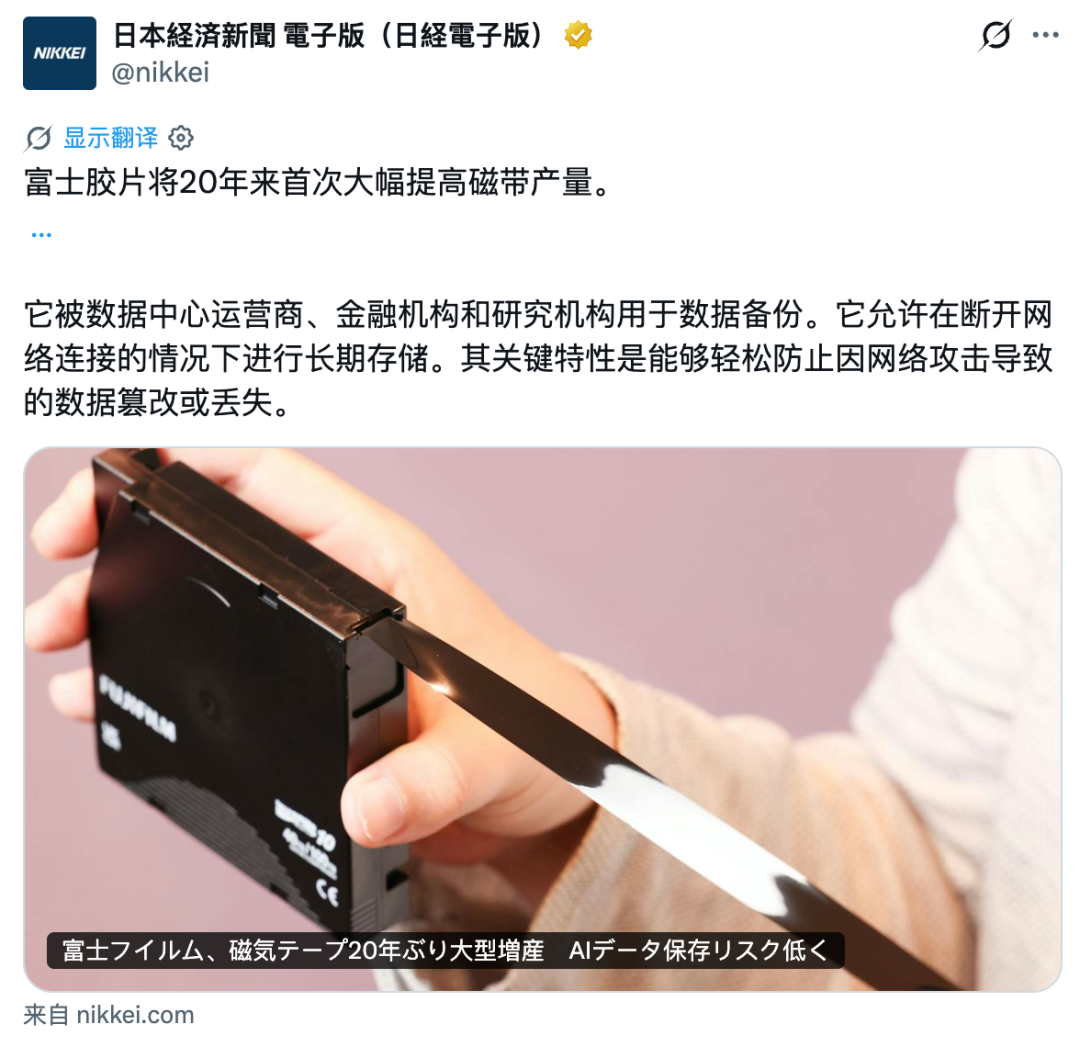
Because generative AI keeps creating data that must be retained but is almost never read, the cheapest and most isolated place to park it is offline magnetic tape. Fujifilm is lifting shipment capacity to fivefold fiscal 2025 levels by fiscal 2028, putting roughly ¥10 billion into its Odawara plant — the largest commitment it has made to dedicated LTO tape facilities in nearly 20 years. The signal for Asia-Pacific storage planners is about cost per terabyte, power budgets and cyber-resilience, not nostalgia.
What pushed Fujifilm back into tape capacity?
Short answer: the demand curve reversed direction within a few quarters.
Start with the published counts. According to LTO Consortium data released in September 2026, global LTO tape shipment capacity reached a record 176.5EB in 2024, up 15.4% year on year, then eased to 160.3EB in 2025. In the first quarter of 2026, as LTO-10 reached the market and archive workloads swelled, capacity shipped grew 57% year on year. The metric counts the storage capacity tape supplies, not cartridge unit sales.
What the format's own programme says is driving that rebound matters more than the percentage. It attributes the recovery to four forces operating at once: AI-generated data, conventional long-term archiving, offline copies held as ransomware defence, and a generation transition to LTO-10. Three of those four are risk-management motives, and risk spend historically survives capex downturns better than speculative build-out.
Fujifilm frames its own money as supply security rather than a speculative bet. In its October announcement, the company ties the expansion to growing archiving demand from the spread of generative AI, which it describes as producing data at exponential growth; the ¥10 billion programme at its Odawara site in Kanagawa prefecture runs from fiscal 2026 through fiscal 2028, targeting capacity fivefold fiscal 2025.
Why would AI data centres still need a mainframe-era medium?
Conclusion first: the binding constraint is volume economics, not technical elegance.
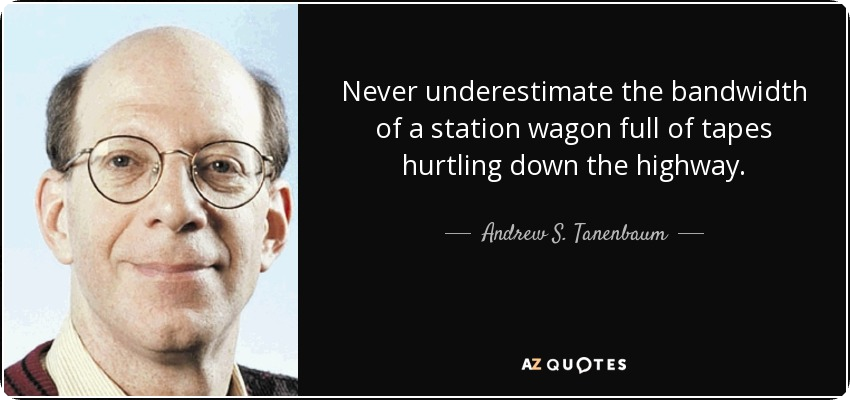
Computer scientist Andrew Tanenbaum left the industry with a running joke: “Never underestimate the bandwidth of a station wagon full of tapes hurtling down the highway.” It sounds absurd until the payload reaches PB or EB scale, at which point loading storage onto a truck can genuinely beat pushing bits across a network.
In 2016, Amazon's AWS turned that joke into a product with Snowmobile, a heavy-truck service that could haul as much as 100PB in one go. It moved disk arrays rather than cartridges and was retired in 2024, but it made an enduring point: once data is big enough, storing and relocating it at tolerable cost is an engineering discipline by itself.
Building a model consumes GPUs, HBM and fast SSDs while it runs. What it leaves behind is bulkier and longer-lived: raw corpora, cleansed datasets, training logs, model checkpoints and every historical version produced by iteration.
| Data state | Where it should sit |
|---|---|
| Actively participating in computation | High-speed storage devices |
| Frequently accessed large datasets | Hard disk drives |
| Untouched for months or years, yet never deletable | Long-term archive (cold data) |
A concrete case: a lab finishes a new model, and the previous dataset becomes useless tomorrow yet indispensable for reproducing experiments, retraining or answering an audit.
That raises the budget question nobody can dodge: should disks keep spinning, drawing power and cooling, to hold files nobody opens for years?
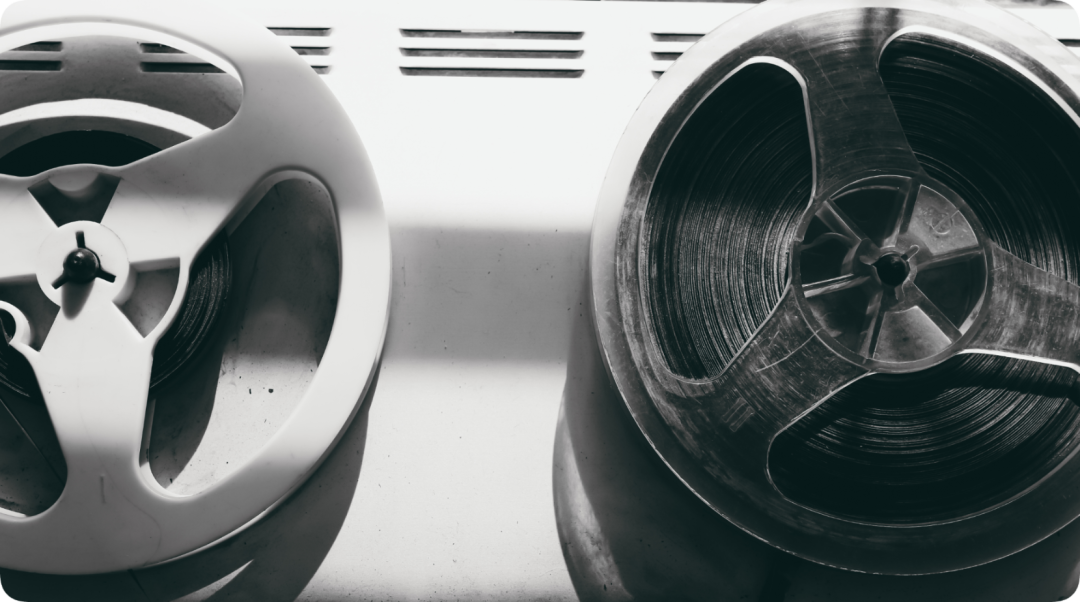
Is tape cheaper, safer and faster than the folklore admits?
Verdict up front: tape wins the archive tier on cost, energy and isolation; it still loses on random access.
- Cheap and quiet: cartridges rest offline, needing no continuous power, no array upkeep and no heat extraction for idle capacity.
- Air-gapped by default: a cartridge can be physically removed, so even a successful ransomware intrusion into servers may leave an untouched copy on the shelf.
- Faster than expected: the native sustained transfer rate of LTO-10 reaches up to 1200MB/s, and automated libraries handle mounting and retrieval with robotic arms.
Vendor modelling puts a price on that. Under specific conditions — preserving 100PB over ten years — Fujifilm calculated that an automated tape system cuts total cost of ownership by about 86% and carbon emissions by roughly 95% versus an all-hard-drive design.
The security case has hardened since Fujifilm ran those numbers. Veeam's resilience reporting found that only 28% of organisations hit by ransomware recovered all affected data, while 44% got back less than they expected. An offline cartridge is not a network address, which is why tape increasingly sits in cyber-insurance conversations rather than only in IT basements.
Science got there decades ago. In December 2025, the European Organization for Nuclear Research (CERN) reported that the Large Hadron Collider had accumulated 1EB of stored experimental data, equivalent to 1 million TB, most of it held on about 60,000 tape cartridges.
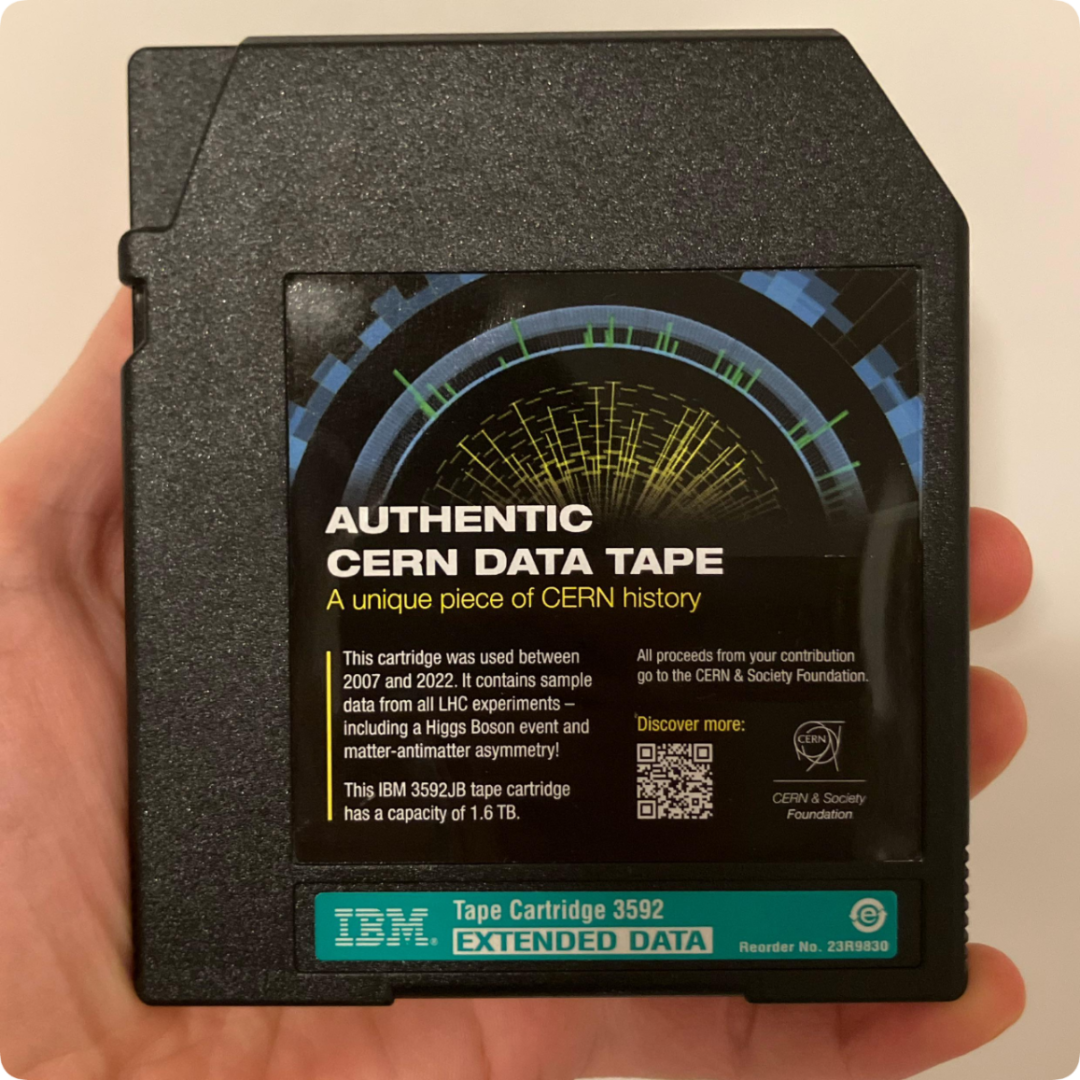
Measurements captured decades ago regain value whenever a new theory demands re-analysis. CERN expects the volume it must store and process over the next decade to run roughly ten times everything it had accumulated before.
The same arithmetic applies to the corpora, training records and model backups AI companies are shelf-stacking today.
How much data fits in one cartridge — and what comes next?
Headline capacity today: 100TB theoretical per cartridge, 365TB on the published roadmap, and 580TB already demonstrated in a laboratory.
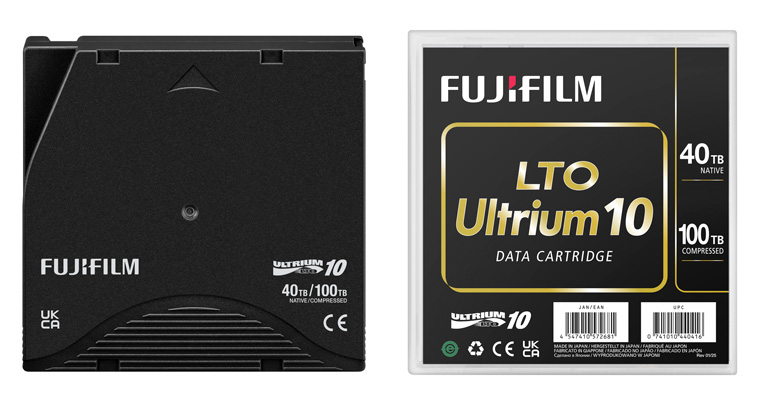
Fujifilm introduced the LTO-10 30TB data cartridge in June 2025, released a 40TB version that same December, and began shipping it in 2026. Rated at 40TB native, that cartridge reaches a theoretical 100TB when the ideal 2.5:1 compression ratio is applied.
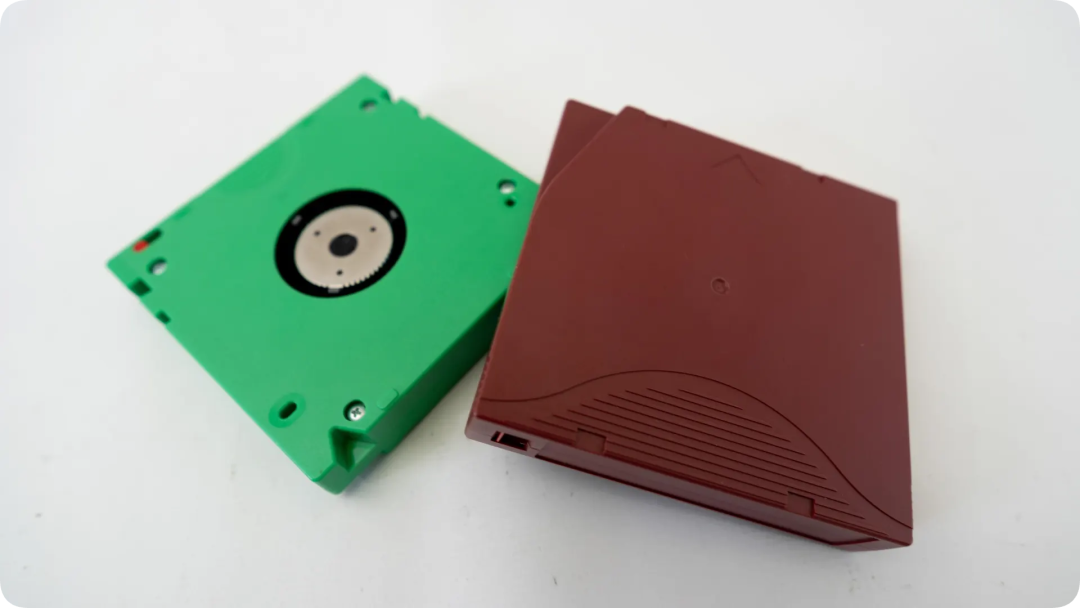
Photo: LTO-10 30TB.
For scale, the first-generation LTO cartridge arrived in 2000 with 100GB native capacity. In 26 years, per-cartridge capacity climbed 400 times without changing the shell. The 100TB figure is compressed capacity: already-compressed video, images and model weights will not reach it.
The packaging is the engineering feat. A cartridge roughly 10 centimetres square and 2.15 centimetres thick winds 1337 metres of tape — more than three laps of a standard running track. Aramid film and new thin-layer manufacturing shrink total tape thickness to 4 micrometres, while ultrafine magnetic particles that blend barium ferrite and strontium ferrite technologies raise how much data fits per unit area.
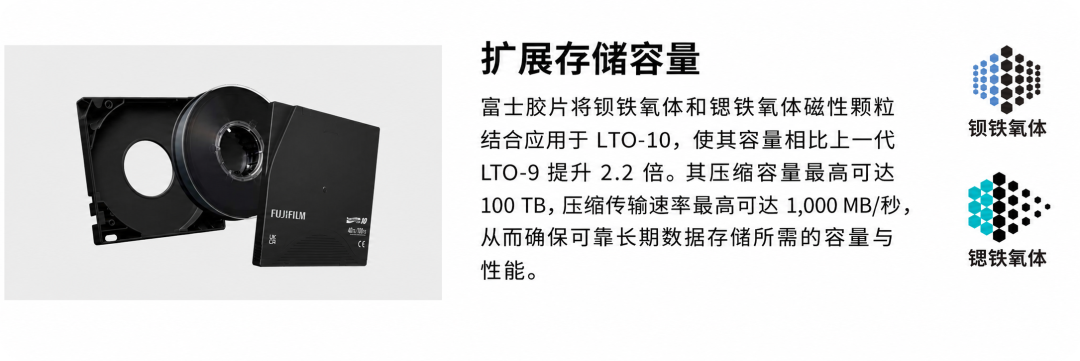
Recording principle and the capacity frontier
The mechanism still descends from audio tape. Microscopic magnetic particles coat the surface; a write head flips local magnetisation to encode digits, a read head senses field changes, and decoding plus error correction rebuild the data.
Modern LTO uses linear serpentine recording — imagine a highway with thousands of lanes. The head writes one set of tracks end to end, repositions, then writes back in the opposite direction. LTO-10 carries 15104 data tracks, and the drive reads or writes 32 tracks at once, leaning on finer materials and servo control to keep lifting capacity.
The ceiling is not in sight. In 2020, IBM and Fujifilm demonstrated an areal density of 317Gb per square inch in the lab, indicating that a single cartridge could someday hold 580TB — 14.5 times the current 40TB commercial product.
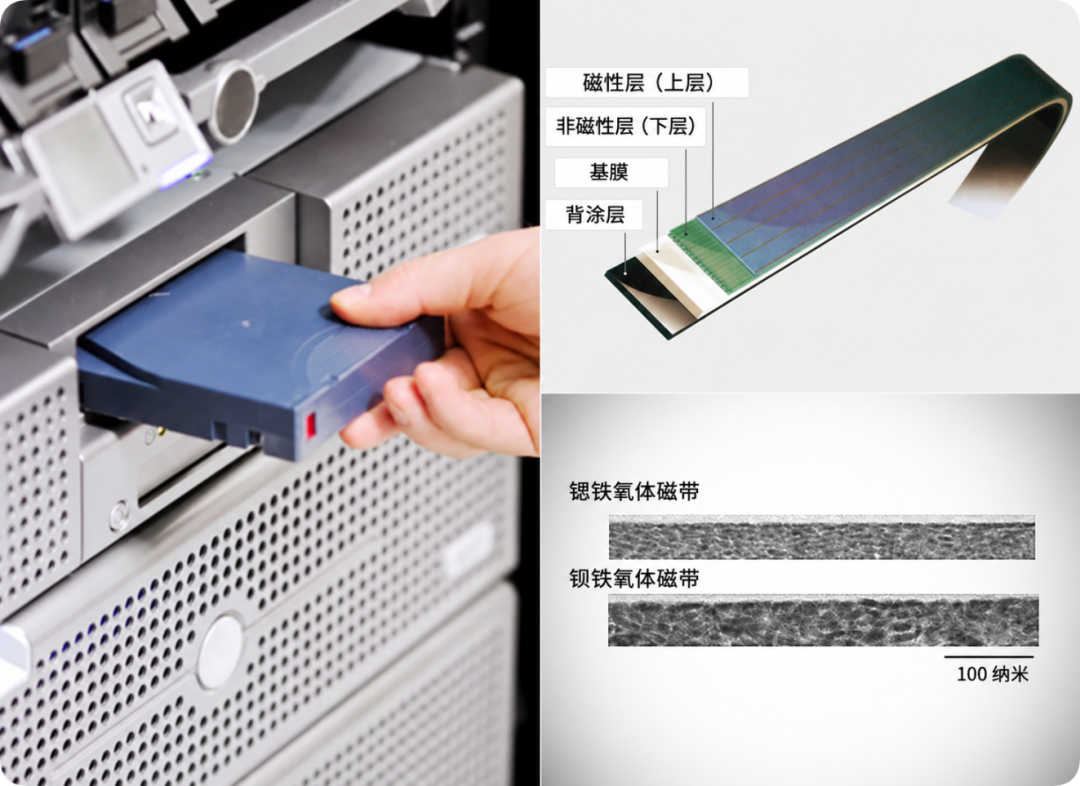
That 580TB remains a laboratory demonstration, with a long road to commercialisation.
What the slowed roadmap actually tells buyers
One change deserves more attention than the headline numbers. Late in 2025 the LTO Program re-cut its capacity plan: projected native capacities for the generations after LTO-10 were revised downward from 72TB, 144TB, 288TB and 576TB to 70TB, 120TB, 210TB and 365TB, as Tom's Hardware reported. The stated trade-off is reliability, cost per terabyte and restore efficiency rather than doubling every generation.
Planning consequence for buyers: savings over the next several years will come from tiering policy and library automation, not from a cheap 365TB cartridge arriving on schedule.
| Milestone | Native capacity | Status |
|---|---|---|
| First-generation LTO (2000) | 100GB | Historic baseline |
| LTO-10 30TB (June 2025) | 30TB | Shipping |
| LTO-10 extended cartridge (December 2025) | 40TB | Shipping from 2026 |
| Roadmap final generation (LTO-14) | 365TB | Planned, revised down |
| IBM and Fujifilm lab demo (2020) | 580TB potential | Not commercial |
Which hidden costs decide whether tape really saves money?
Compatibility is the long-tail expense most often missing from the spreadsheet — and it is a structural one.
- The compatibility window has been closing for years: older generations could read media two generations back and write to the previous one; recent generations narrowed that, and the newest LTO-10 drive reads and writes LTO-10 cartridges only.
- Consequence: archives that hold media from several generations must keep ageing drives alive or fund periodic migration projects.
- At scale, the overhead compounds. Data centres managing tens of thousands of cartridges pay for migration, verification and equipment maintenance on top of media.
- Ops capability is scarce in the region: tape library planning, drive refresh and restore rehearsal sit with a small pool of storage engineers, which lengthens projects in second-tier APAC markets.
Even after all that, tape keeps formidable cost and energy advantages in large-scale cold archiving. The precision coating, thin-film material and magnetic particle expertise Fujifilm accumulated over the past few decades is exactly what AI data centres are now buying.
Why are hard drives the other half of this story?
Same conclusion, different medium: the AI archive wave is lifting nearline disks, and buyers are locking supply years ahead.
This January, Western Digital disclosed that its hard drive capacity for calendar 2026 is essentially sold out, with long-term agreements from some large customers extending into 2028.
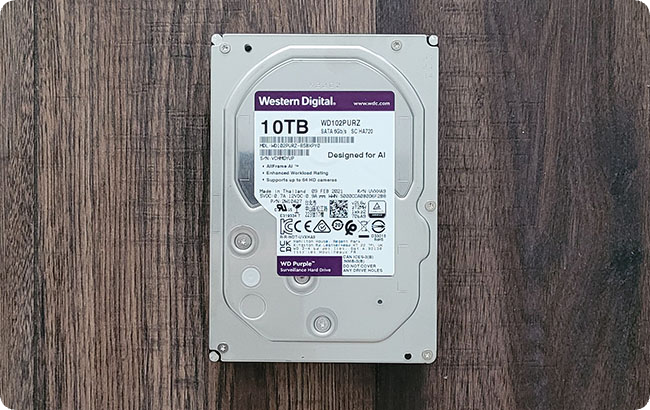
Seagate's position is tighter still. On its late October earnings call, the company indicated that most of its nearline hard drive shipment capacity is already allocated under long-term agreements through 2028, with some cloud providers covered as far out as 2030.
Volumes and prices are climbing together, and the squeeze is not confined to disks. Flash is caught in the same current, with AI infrastructure demand shifting the pricing power once held by Apple toward suppliers.
The logic is plain. SSDs dominate hard drives on random read and write, yet for vast amounts of data that must stay online, disks retain a per-TB cost edge. As AI expands, data centres need not only faster flash but also tens of PB and hundreds of PB of capacity at prices a business case can survive.
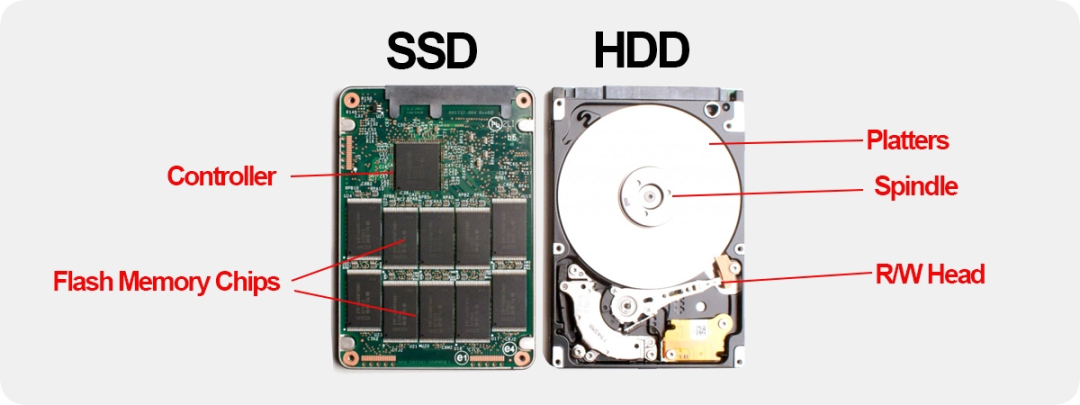
Hard drives carry their own penalties. As single-drive capacity grows, random access does not improve proportionally, and rebuilding after a failure can take longer.
Regional context explains why this matters more here than elsewhere. CBRE's 2026 Asia-Pacific outlook recorded inventory growth of 13.4% year on year in the first quarter across Singapore, Tokyo, Hong Kong and Sydney, while Cushman & Wakefield put the region's development pipeline at 26,455MW. Every megawatt promised to compute is a megawatt not spare for spinning archive — which is precisely the argument for offline media.
For buyers, the arc runs from Fujifilm announcing fivefold expansion, to Western Digital's sold-out year, to Seagate's agreements reaching 2030: technologies that faded from consumer electronics have found fresh growth inside AI data centres, while the compute side keeps declaring itself a data-centre-first business.
Could glass storage end the tape moment?
Not on this budget cycle, but the archive tier is becoming multi-medium.
In February 2026, Microsoft Research published its latest Project Silica results in Nature. Researchers used femtosecond lasers to inscribe data inside glass, reaching 4.8TB in a plate about 12 centimetres square and 2 millimetres thick. Accelerated ageing tests led them to estimate that the data could survive more than 10,000 years.
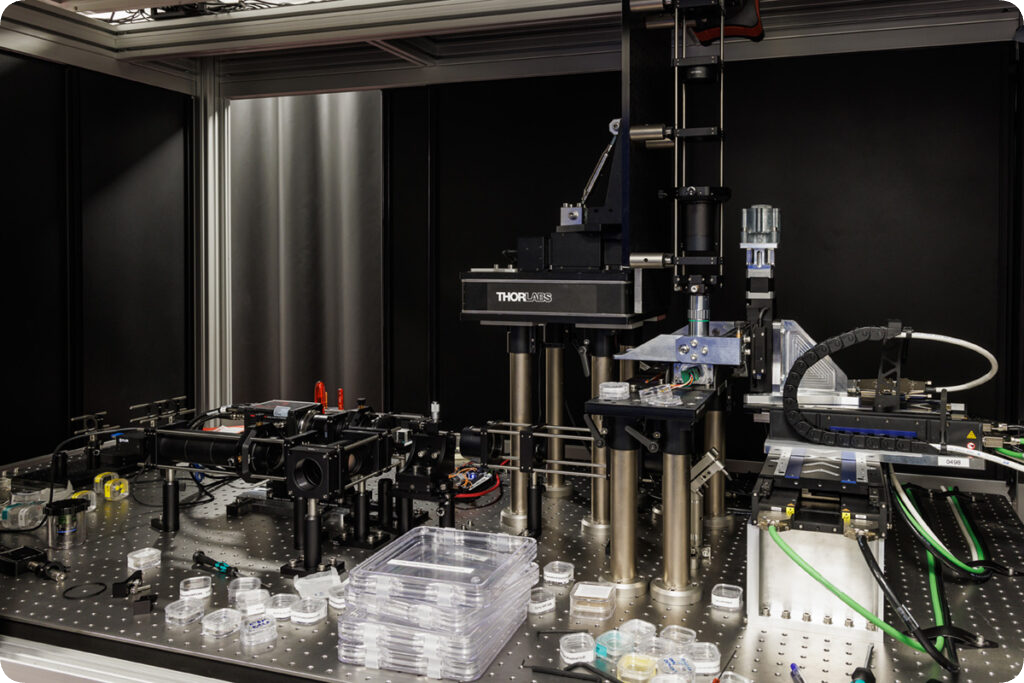
Scale deployment remains distant, yet the result sketches an alternative to magnetic media for records that must outlive every format migration.
The AI-era storage picture is accordingly odd. On one side, Fujifilm is still refining a magnetic coating process inherited from decades past so a palm-sized cartridge can hold tens of TB. On the other, Microsoft is writing information into glass the way early humans carved stone.
While the market chases stronger GPUs and smarter models, the technologies that merely keep data safe are enjoying their own golden age. A tailwind does not belong only to new things — it also belongs to old crafts that find a place inside the new one.
Action briefing: six moves for Asia-Pacific teams this quarter
- Re-tier by access frequency, not by project. Move corpora, training logs and superseded checkpoints untouched for a quarter off always-on disks; keep only actively computed data on high-speed devices.
- Model archive cost over ten years. Replicate Fujifilm's framing — the roughly 86% cost and 95% emissions deltas come from long horizons, and shrink or vanish on one-year views.
- Put one offline copy in every backup policy. Treat the air-gapped cartridge as the hedge against the recovery statistics, not merely as capacity.
- Run a compatibility audit before buying LTO-10. Because the newest drive reads and writes LTO-10 media only, budget for legacy readers or a migration wave, and schedule verification windows.
- Lock supply in writing. With nearline capacity allocated through 2028 and, for some clouds, to 2030, uncontracted buyers face both price and lead-time risk; align contract terms with your roadmap.
- Watch the leading indicators. Quarterly LTO shipment growth, the pace of the Fujifilm ramp through fiscal 2028, and the narrowing memory-supply gap will tell you sooner than headlines when the archive boom matures.
FAQ: what APAC readers ask next
Why is tape cheaper than cloud object storage for AI archives?
Because idle capacity costs almost nothing. Cartridges need no power, no cooling and no replication overhead, whereas online object storage keeps hardware and facilities running around the clock — the gap Fujifilm sized at about 86% of total cost of ownership over ten years for 100PB.
Isn't tape too slow when I need to retrain on old data?
For frequent random reads, yes: the medium searches sequentially, so a single file can take a long time to surface. For bulk restores driven by automation, the LTO-10 rate of up to 1200MB/s is workable, which is why tape suits rebuild-from-scratch workflows rather than interactive analytics.
Should mid-sized companies in the region buy tape libraries?
The break-even is scale plus retention duty. Teams holding compliance, research or model-audit records for years gain most; smaller firms with terabytes rather than petabytes usually do better on object storage with an immutable or offline second copy.
What would signal that the tape revival is fading?
Two things: capacity shipping growth decelerating in LTO Consortium quarterly reporting, and the supply crunch easing in adjacent storage classes, evidenced today by sold-out drive capacity for calendar 2026 and agreements reaching 2028 and 2030.
Sources
- Fujifilm Holdings, “Fujifilm to Increase Production Capacity by 5x for Magnetic Data Storage Tape” — https://www.fujifilm.com/me/en/news/hq/14137
- LTO Program / LTO Consortium market and roadmap information — https://www.lto.org/
- Tom's Hardware on the revised LTO capacity roadmap — https://www.tomshardware.com/pc-components/storage/lto-roadmap-extends-to-365-tb-per-cartridge-as-tape-storage-refuses-to-die-25-year-old-format-sees-400x-capacity-increase-without-changing-form-factor
- Veeam, 2026 Data Trust and Resilience press release — https://www.veeam.com/company/press-release/veeam-report-reveals-a-market-wide-shift-from-recovery-confidence-to-proven-data-resilience-amid-ransomware-threats-and-ai-adoption.html
- CBRE, 2026 Asia Pacific Data Centre Trends & Outlook — https://www.cbre.com/insights/reports/2026-asia-pacific-data-centre-trends-and-outlook
- Cushman & Wakefield, APAC Data Centre Update — https://www.cushmanwakefield.com/en/singapore/insights/apac-data-centre-update
- Linear Tape-Open, Wikipedia (format generations and compatibility history) — https://en.wikipedia.org/wiki/Linear_Tape-Open