
APACTechBriefing: Seagate FireCuda Forge and the APAC Storage Cost Reset
Seagate's FireCuda Forge is one external hybrid storage system: two hard-drive capacity versions, 8TB and 20TB, paired with one user-supplied NVMe SSD and managed by Alkemi to move frequently accessed files. It is the first product on Seagate's new Alkemi platform, priced at USD 699 and USD 899, from USD 699, though the SSD is not included; APACTechBriefing sees it as an APAC storage-cost signal as NAND prices climb.
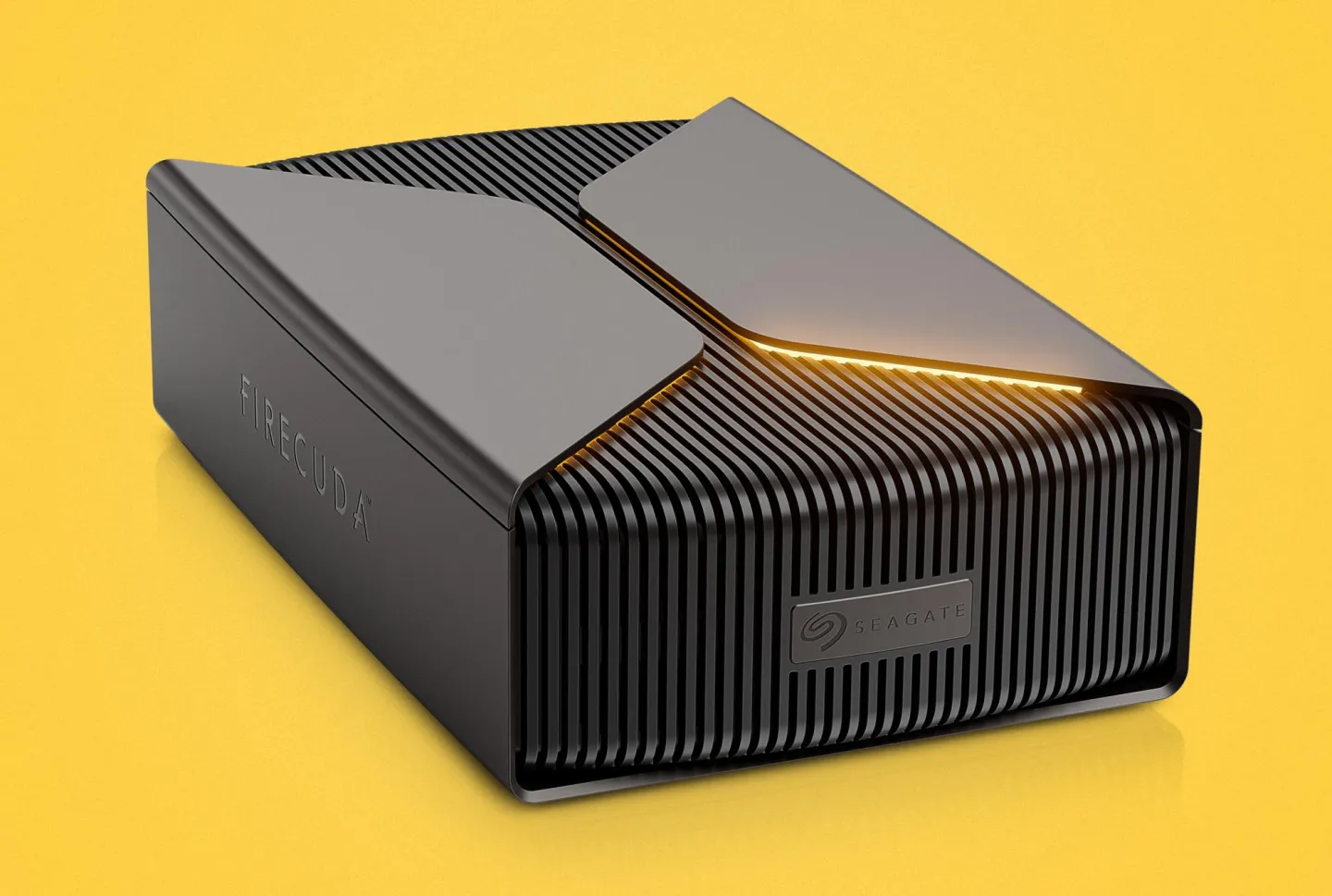
What is FireCuda Forge trying to solve?
The short answer: it tries to make local large-file work feel closer to SSD speed without forcing buyers to pay SSD prices for 8TB or 20TB capacity. Seagate's launch materials describe a USB4 device that requires one compatible M.2 2280 NVMe SSD, installed by the user and sold separately. In practice, the enclosure becomes a kind of storage policy engine: hot data moves to flash, cold data remains on the hard drive, while the connected computer sees one storage drive rather than two separate targets.
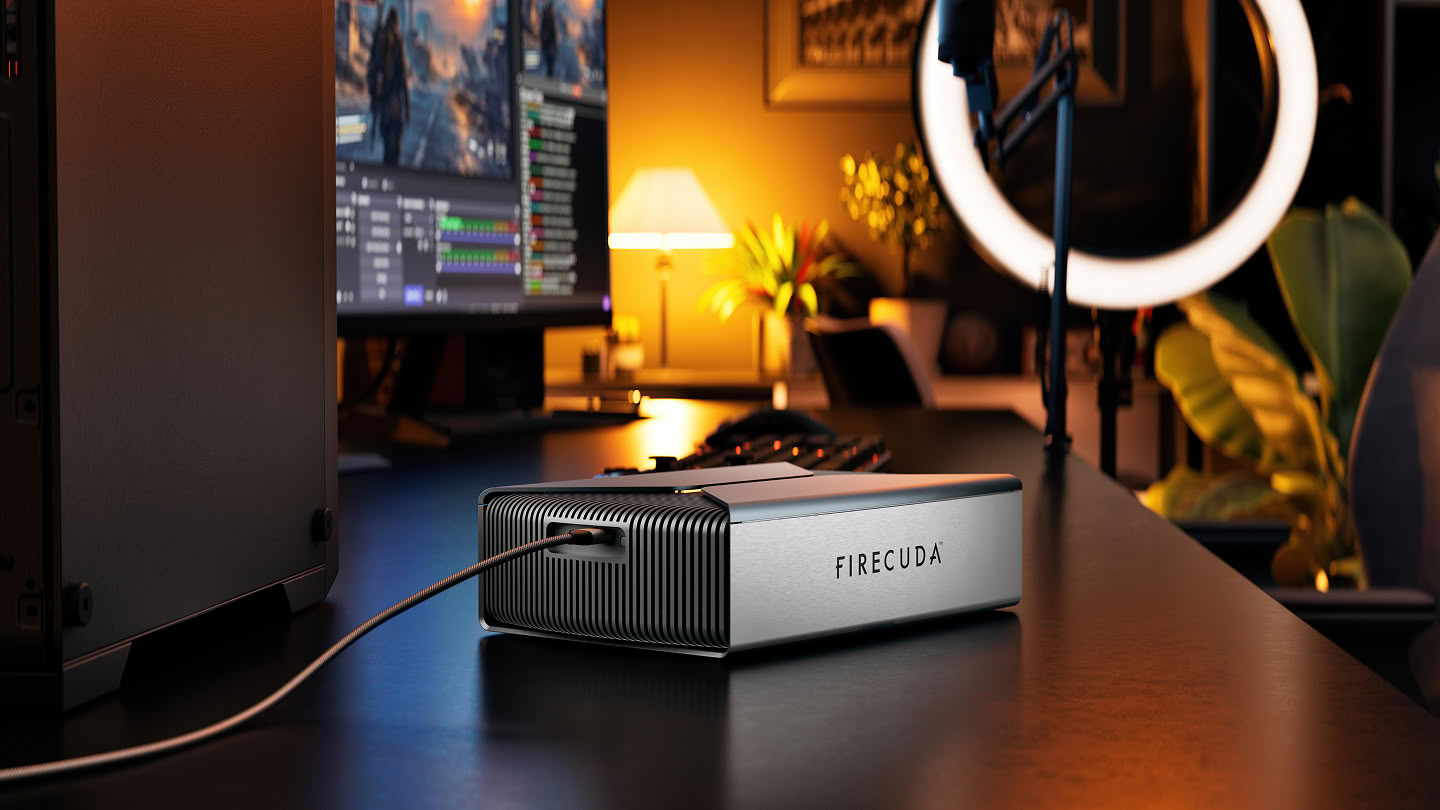

That approach matters for Asia-Pacific teams because data growth is not evenly distributed. IDC has predicted that by 2027, 45% of Asia/Pacific A2000 organizations will adopt performance-intensive, software-driven, scale-out storage infrastructure, a shift that makes intelligent local tiering a practical procurement topic rather than a niche enthusiast idea.
Seagate's investor release highlights “choice and expandability,” saying users select and provide their own NVMe SSD. The vendor also stresses that the platform uses machine learning to respond to workloads, not generative AI. This distinction is useful for enterprise readers: the value proposition is predictable placement across two storage media, not a new content-generation feature.
How does Alkemi compare with SSHD and NAS cache?
Traditional SSHD products baked a small NAND pool into a hard drive; NAS cache often keeps hot blocks in flash temporarily. FireCuda Forge separates the two components: the hard-drive bay and SSD bay are both user-configurable, and the two versions allow users to replace the hard drive. Seagate says Alkemi can reorganize files as tasks change, so a video project's current assets can sit on SSD while archived material stays on HDD.
| Comparison point | FireCuda Forge | Old SSHD or NAS-style cache |
|---|---|---|
| Media control | Users provide the SSD and can replace the hard drive | Cache size or drive set is often fixed |
| Visibility | Windows 11 or macOS 26 sees one storage drive | May require cache pools or manual placement |
| Intelligence | Alkemi uses machine learning to move files by workload | Usually block-level caching rules |
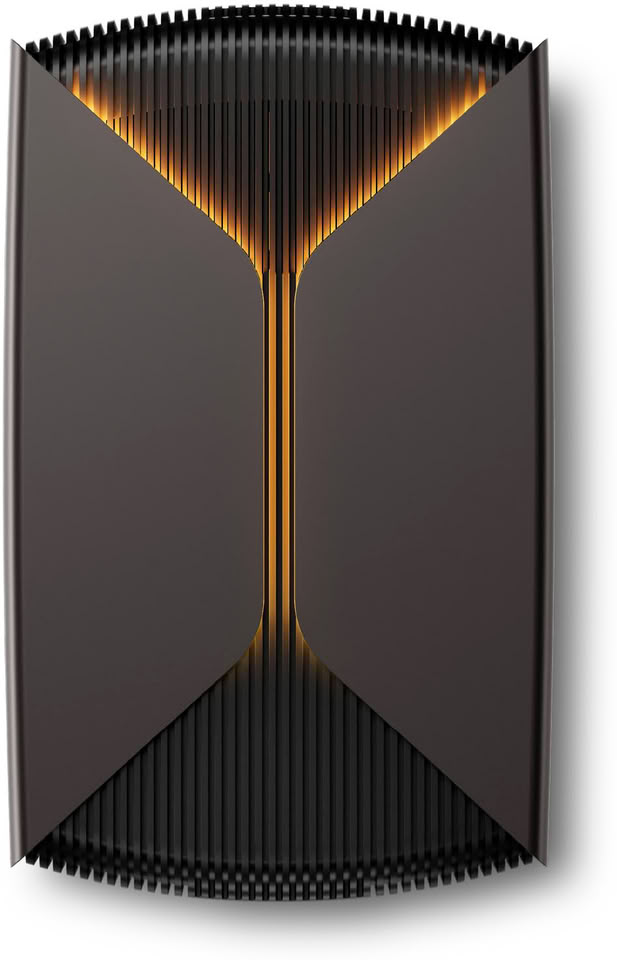
What are the cost and performance limits that change the verdict?
The key limit is the SSD itself. Hands-on reports say the bay accepts M.2 2280 NVMe drives and points to a 1TB supported ceiling, with a DRAM-equipped model recommended; smaller drives are supported but reduce headroom for hot files. Because the official performance ceiling is 2500MB/s read and 2000MB/s write, buying a very fast PCIe Gen5 drive does not automatically raise the Forge's throughput.
Procurement risk is also regional. TrendForce's Q4 2026 memory outlook expects NAND Flash contract prices to rise 15-20% quarter over quarter, while conventional DRAM is projected to increase 10-15%. That makes the “bring your own SSD” model more sensitive: the USD 699 or USD 899 base price is only the entry point, and the total budget can move with component spot markets.
For teams comparing hardware cycles, this resembles recent Asia-Pacific channel volatility: the RTX 50 pullback showed how quickly performance hardware budgets can swing when supply expectations change.
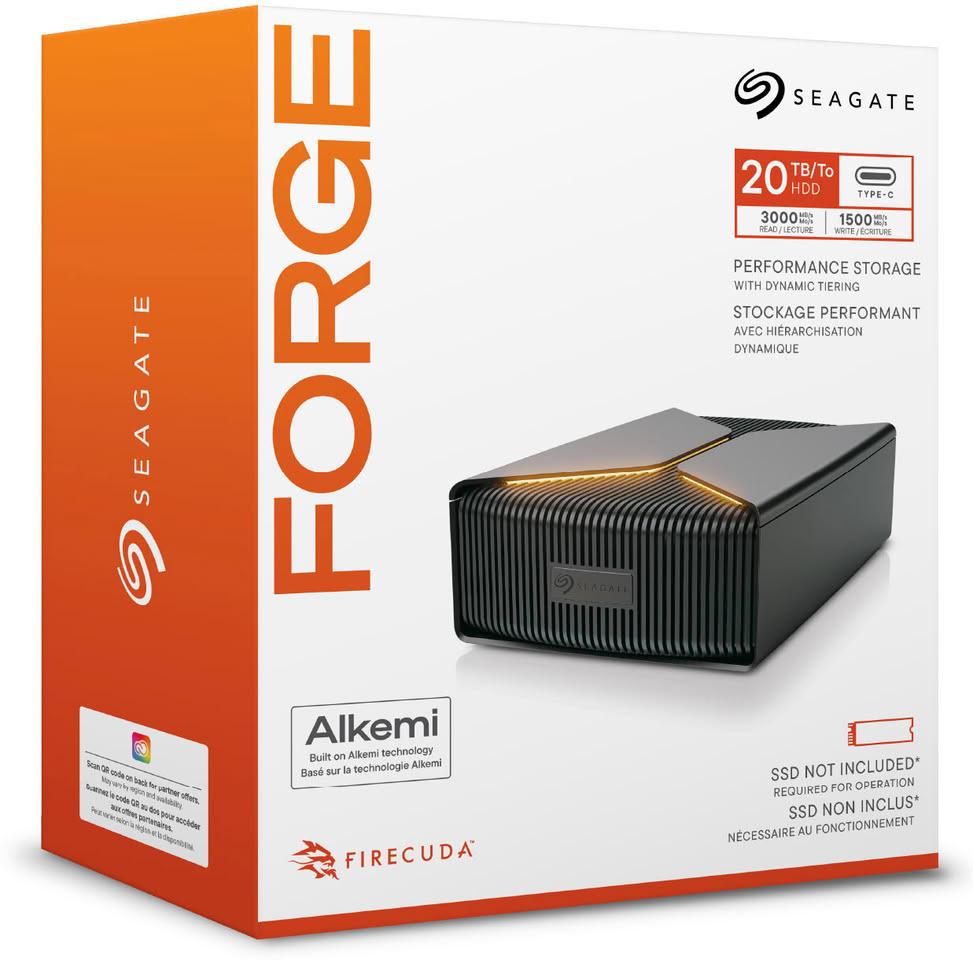
When does FireCuda Forge fit an Asia-Pacific workflow?
It fits best where large files stay local and need repeated access: video post-production, 3D asset libraries, game development, field media review, and smaller studios that cannot justify all-flash storage. It fits less where workloads are mostly cloud-synced, where strict cross-border data rules require centralized management, or where the team needs a true NAS with redundancy. It is not a set-and-forget network device; it is a complete set of enclosure, hard drive, policy software and user-installed SSD.
- Adopt now if the project already uses one workstation, one project pool, and needs faster access to current assets.
- Test first if the SSD would be shared across multiple machines, or the dataset changes too quickly for a 1TB cache.
- Do not buy if you need multi-user access, RAID, remote replication, or long-term cold archive only.
Action recommendations for APAC digital teams
- Model total cost as device price plus SSD plus shipping and local warranty, not just the USD 699 starting point.
- Use the 8TB version for predictable single-project work, and reserve the 20TB version for larger libraries with frequent hot and cold rotation.
- Choose one DRAM-equipped M.2 2280 drive that meets Seagate's stated performance conditions; faster specs alone may not improve the result.
- Check macOS 26 and Windows 11 driver readiness, backup policy, and cross-border data handling before moving production media.
- Track NAND and DRAM contract-price forecasts before expanding storage; purchase timing can matter as much as product capability.
FAQ: What readers should ask before buying
Does FireCuda Forge include the SSD?
No. The device comes with the hard-drive capacity and the enclosure, but the NVMe SSD must be purchased and installed separately.
Is Alkemi the same as generative AI?
No. Seagate describes the platform as using machine learning to analyze access patterns and move files, not as a generative AI system.
Why does performance sometimes look SSD-like and sometimes not?
The 2500MB/s read and 2000MB/s write figures describe peak conditions and files already served by the SSD tier. If requested data is still on the HDD, speed drops to the hard drive's own limit.
Should APAC enterprises treat this as a NAS replacement?
No. It is best viewed as a single-attached hybrid volume for local high-capacity workflows, not a networked storage system with multi-client permissions, snapshots, or redundancy.
Bottom line
FireCuda Forge is less a consumer bargain and more a software-controlled bridge into 2026's storage price reality: flash is too expensive for blanket deployment, but spinning disks are too slow for active media work. Its real test is not peak megabytes per second; it is whether Alkemi keeps the right files in the right place as project priorities shift. For APACTechDigit readers managing regional expansion and local production volumes, that bet could be more useful than another all-flash upgrade.
Reference Sources
- Seagate story: FireCuda Forge rethinks speed and capacity
- Seagate Investor Relations: Seagate launches FireCuda Forge
- The Verge: Seagate's FireCuda Forge moves data between a hard drive and SSD
- Tom's Hardware hands-on: FireCuda Forge SSD requirements
- TrendForce: AI server demand sustains memory contract price increases
- IDC: Asia/Pacific storage infrastructure prediction