
Adobe MAX 2026 Sneaks Read as Data: What APAC Content Teams Should Budget Next
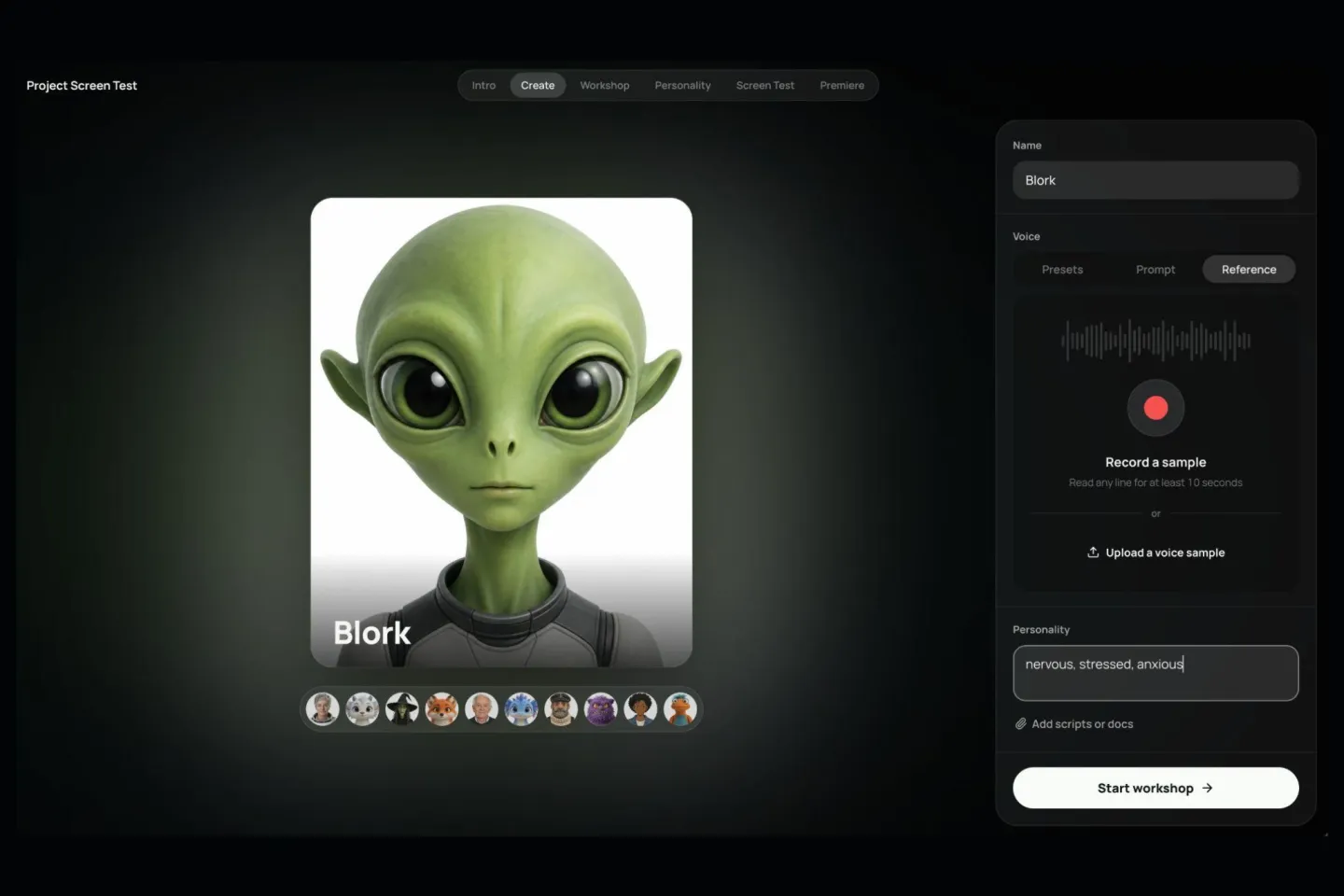
Read Adobe's Sneaks slate as a budget document, not a demo reel. The experiments shown at MAX 2026 point to an intelligent creative assistant that can interpret a design brief, plan the steps in between, and act inside Photoshop, Premiere Pro, Illustrator and Firefly as a "digital partner". Two dates carry the decision value: the conference window of 10-12 November 2026, and early 2027, when the previewed local MCP access reaches Creative Cloud users.
The complaint that recurs in Asia-Pacific content reviews is rarely about model quality. It is about the queue: asset volume multiplied, cycle time did not shorten, and nobody owns the intermediate steps between a brief and an approved file. That is exactly the layer Adobe's research team spent this week sketching, which makes the experiments worth reading as an operating-model signal rather than as product news.
What did Adobe actually put on the Sneaks stage?
One common thread across five separate experiments: the assistant takes ownership of the workflow, not just the output.
- Intent, then a plan. A creator states an idea in natural language and the system maps the execution path itself, spanning asset handling, image adjustment and generation, instead of waiting for one prompt at a time.
- One idea, many formats. A static layout is extended into animated content, and long video is condensed into platform-sized short clips, cutting repeated rework across channels.
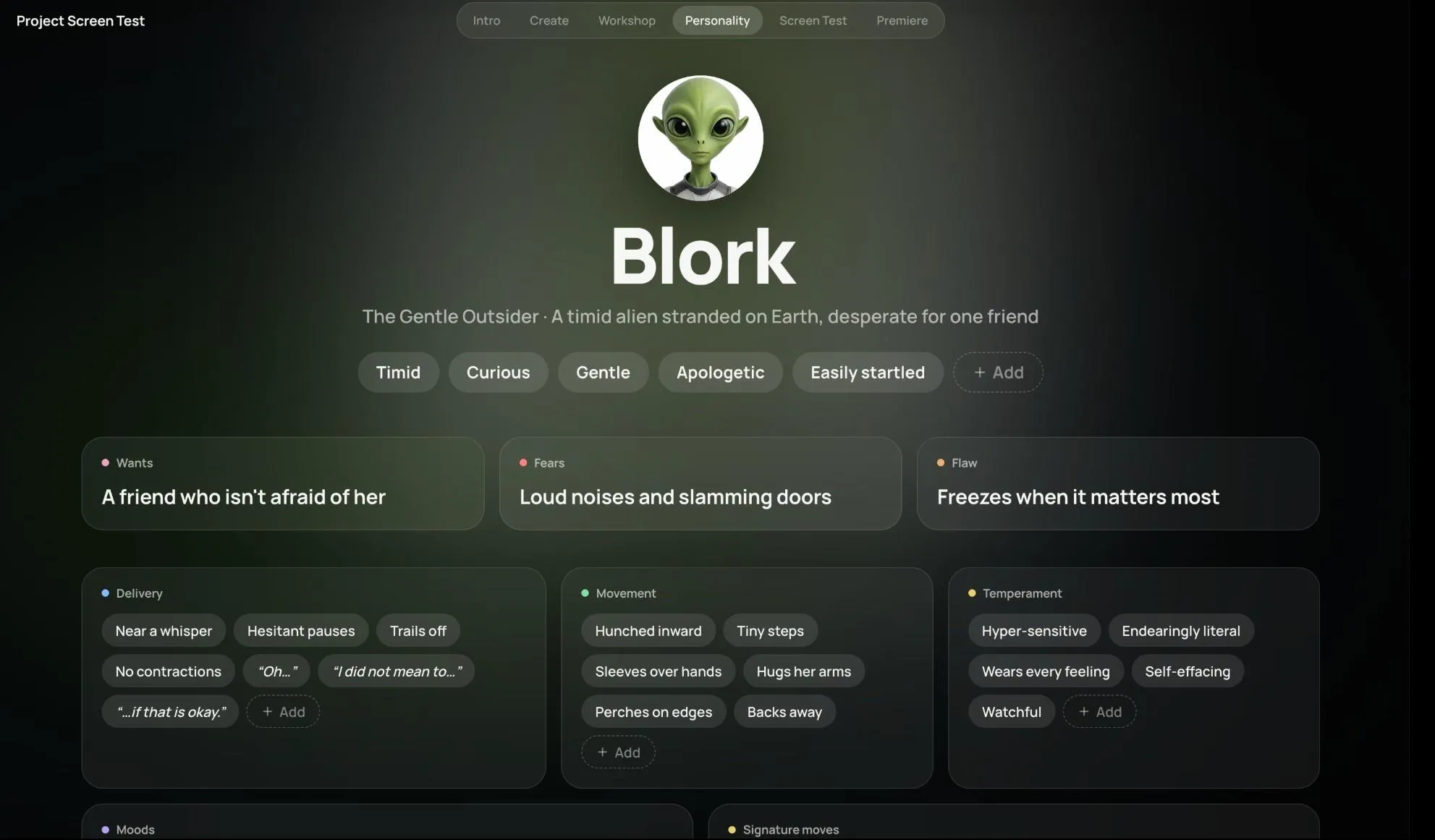
- Brand rules baked in. The tool recognises an existing house style and reuses approved colour, type and design elements, which is the mechanism behind consistency at production scale.
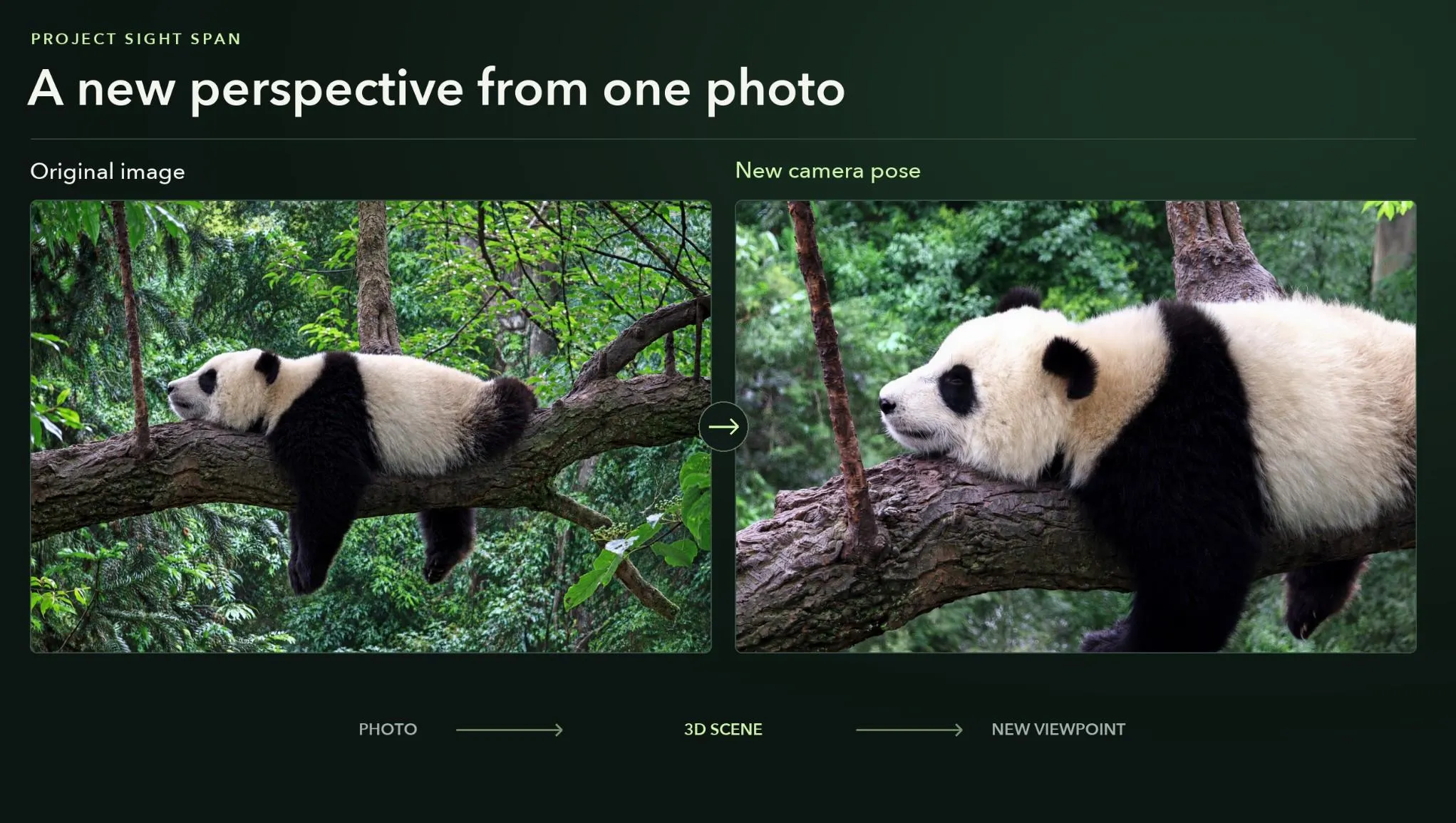
- Objects, not just subject and background. Image editing experiments reason about relationships between elements, so removals, replacements and regenerations blend more naturally; the stated research aim is that users describe the need instead of mastering every professional technique.
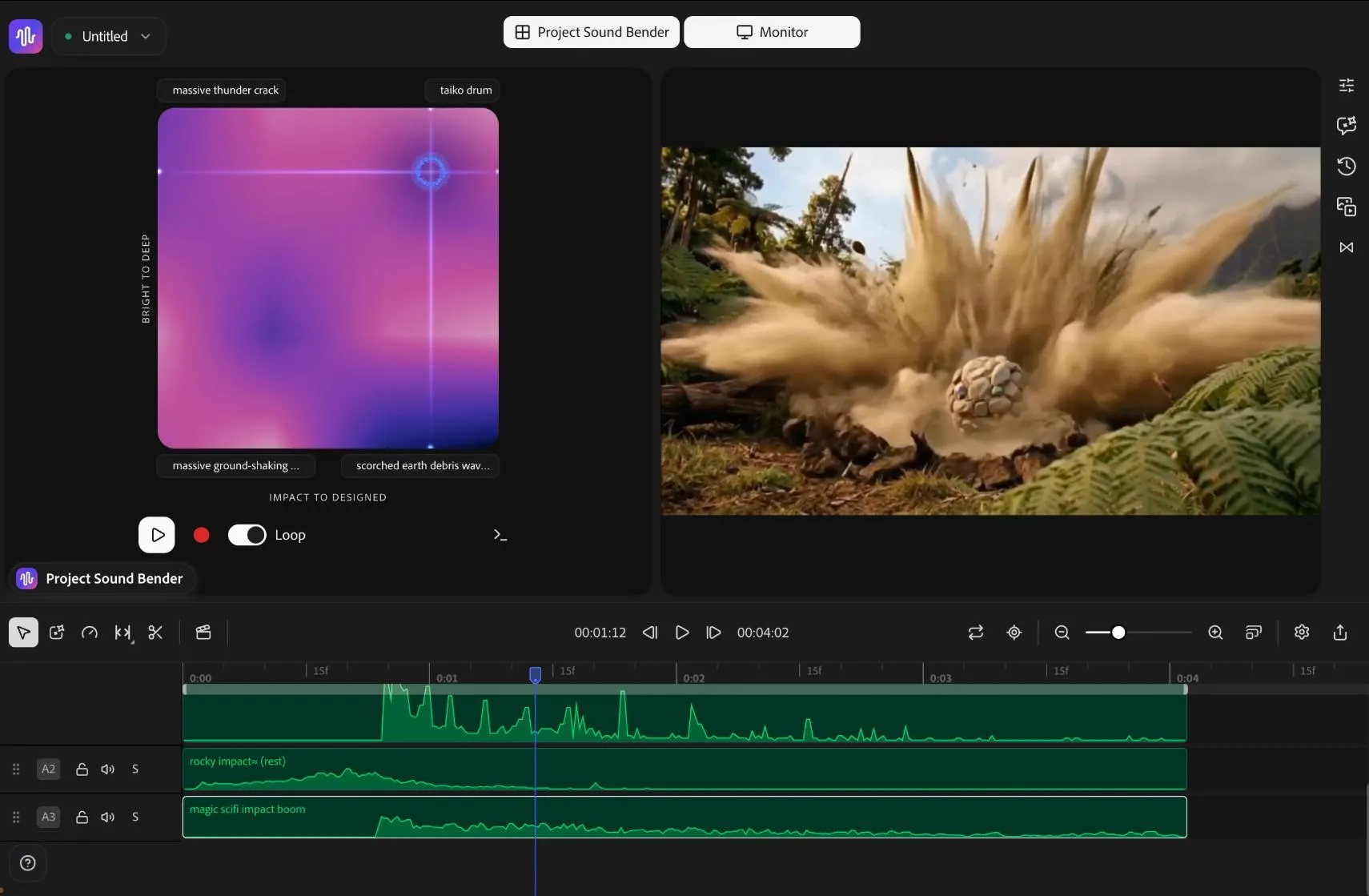
- Video that plans itself. Text instructions generate storyboards, sequence shots, add transitions and support rough cuts. Adobe frames the goal as shortening the distance between an idea and a deliverable, not replacing creators.
Adobe also showed forward-looking collaboration: software that reads project status, flags likely problems and proposes options to the team. Pushed far enough, the creative application stops being a passive tool and becomes the "digital partner" the company describes.
Which numbers turn a conference slot into a purchasing decision?
Three dates and three benchmarks are enough to size the exposure. The rest of the show is presentation.
| Signal | Verifiable figure or date | Source | Consequence for your team |
|---|---|---|---|
| Event window | MAX 2026 held 10-12 November 2026, Miami Beach, under the theme "Dream Big. Create Bigger." | Variety | 2026 is the observation year for agentic creative tooling. |
| Delivery date | Local MCP integration previewed on stage; planned to reach Creative Cloud users in early 2027 | Adobe newsroom; IT之家 | Third-party agents can drive native project files within roughly two to four quarters. |
| Demand pressure | Adobe's 2026 Creative Trends Report survey: 95.2% of content leads call visual content critical, with demand growing at 5-20x current levels | Adobe, cited via Sina | Headcount maths, not tool preference, decides adoption. |
| Output baseline | Singular's Creative Benchmark Report 2026: median 13 new assets per week; the top quartile begins at 53 or more | Singular | Agents raise the floor; performance measurement must move with it. |
| Enterprise throughput | Adobe says its GenStudio partner ecosystem has delivered "over 7.8 trillion assets" for global brands | Adobe newsroom, November 2026 | Brand-rule automation is a supply-chain feature, not a nicety. |
| Model shelf | Firefly routes generation across more than 30 Adobe and partner models | Adobe HelpX | Licensing terms now differ per click, per model. |
Why is 2026 an inflection point rather than another demo season?
Because the route from Sneaks to shipping software is documented. Adobe's own retrospective records that Project Cloak, a 2017 Sneaks entry, became Content-Aware Fill for video in After Effects, and that several tools now used daily in Photoshop and After Effects started on that stage. The premise holds: Adobe has not promised to commercialise this year's experiments, yet past results have landed in Photoshop, Premiere Pro, Illustrator and Firefly.
The second reason is architectural. Adobe expanded Creative Agent across Firefly and Creative Cloud, and previewed local MCP integrations that, in Adobe's wording, "let creative professionals direct the third-party agents" they already use. That is a shift from single-prompt generation to a system that understands a goal, plans a sequence and operates across applications.
Pressure from outside explains the urgency: rival editing stacks already accept agent instructions for cutting video, and chat-based video editing for short-form clips is commercially available in the region. Whoever lets an assistant plan the timeline will set the cost curve for everyone else.
What breaks first in an Asia-Pacific rollout?
- Licensing asymmetry. Adobe's commercial-safe commitments are attached to its own models; published guidance states they do not extend to partner models exposed through the same interface. Procurement needs a per-model usage register before a per-campaign one.
- Volume inflation without lift. Benchmarks show output spread widening while effectiveness does not scale linearly. An assistant that plans steps multiplies throughput, so a KPI built on asset count will reward the wrong behaviour.
- Governance on native files. Agent edits touch layers, vector objects, bins and sequences. Without a change log, an approval trail and a rollback owner, agency and brand teams cannot sign off.
- Unassigned ownership. This is the part that stalls pilots: nobody's objectives change when an agent takes the intermediate work. Budget, headcount and acceptance criteria stay attached to manual steps, and the assistant is quietly switched off after one quarter.
- Hardware assumptions. Local model execution and on-device workloads move compute onto the creator's desk; regional reviews of RTX Spark creator laptops are a useful proxy for what a seat will cost before licences are renewed.
FAQ: what regional leads are asking this week
Is any of this available today?
Treat it as a two-stage question. The announced features sit in the product; the Sneaks items are technology previews with no commercialisation guarantee. The dated commitment to watch is early 2027 for local MCP availability to Creative Cloud users.
Should an in-house studio change its tooling decision now?
Not the tool, yes the contract. Keep the suite, but require file-format portability, an edit log for agent actions and per-model licensing terms in the next renewal cycle.
What is the honest benefit case?
It is the removal of hand-offs, not the generation itself: fewer round trips between brief, layout, motion version and localised variants. In my reading, the labour saving sits in project coordination, and any business case that claims otherwise is quoting vendor copy.
A 90-day roadmap to run before the early 2027 window opens
| Window | Movement | Owner | Exit test |
|---|---|---|---|
| Days 1-30 | Map the hand-offs in your content chain and count rework per asset | Content or marketing ops lead | One baseline: cycle time, not volume |
| Days 31-60 | Tag every model your teams call by licensing terms; freeze commercial use of partner models pending review | Legal plus IT | A signed per-model register |
| Days 61-90 | Pilot the assistant on one campaign with an edit log, a named approver and a rollback rule | Studio head and brand owner | Cycle time down on a live deliverable |
| Q4 2026 into early 2027 | Track local MCP delivery and re-run the case with the real seat cost, software and workstation included | Finance partner | Renewal paper ready before the window opens |
References
- Adobe newsroom, "Adobe Powers a New Era of Creativity, Bringing Agents..." — https://news.adobe.com/news/2026/11/adobe-powers-new-era-of-creativity
- Adobe newsroom, agentic AI in the content supply chain — https://news.adobe.com/news/2026/11/adobe-agentic-ai-content-supply-chain
- Variety, Adobe MAX 2026 keynote coverage and dates — https://variety.com/2026/digital/news/adobe-ai-agentic-features-max-2026-1236943958/
- Adobe Blog, how Sneaks move from stage to app — https://blog.adobe.com/en/publish/2022-06-01/adobe-sneaks-on-stage-to-app
- Adobe HelpX, partner models in Firefly Creative Production for Enterprise — https://helpx.adobe.com/firefly/web/work-with-enterprise-features/creative-production/partner-models-in-firefly-creative-production-for-enterprise.html
- IT之家, MCP support in Creative Cloud — https://www.ithome.com/1/025/177.htm
- Sina, Adobe 2026 Creative Trends Report survey figures — https://k.sina.cn/article_7857201856_1d45362c001901gut2.html